
Driving Highway 89A between Bitter Springs and Jacob Lake, AZ, you’ll come to two similar bridges crossing the Colorado River. One is historic. One is newer.
In the 1870s, Utah pioneers began expanding into northern Arizona, but 600 miles of deep canyons carved by the Colorado River stood in their way. Wagons could only cross at the mouth of Glen Canyon, where a ferry opened in 1873. Lees Ferry became an important crossing.
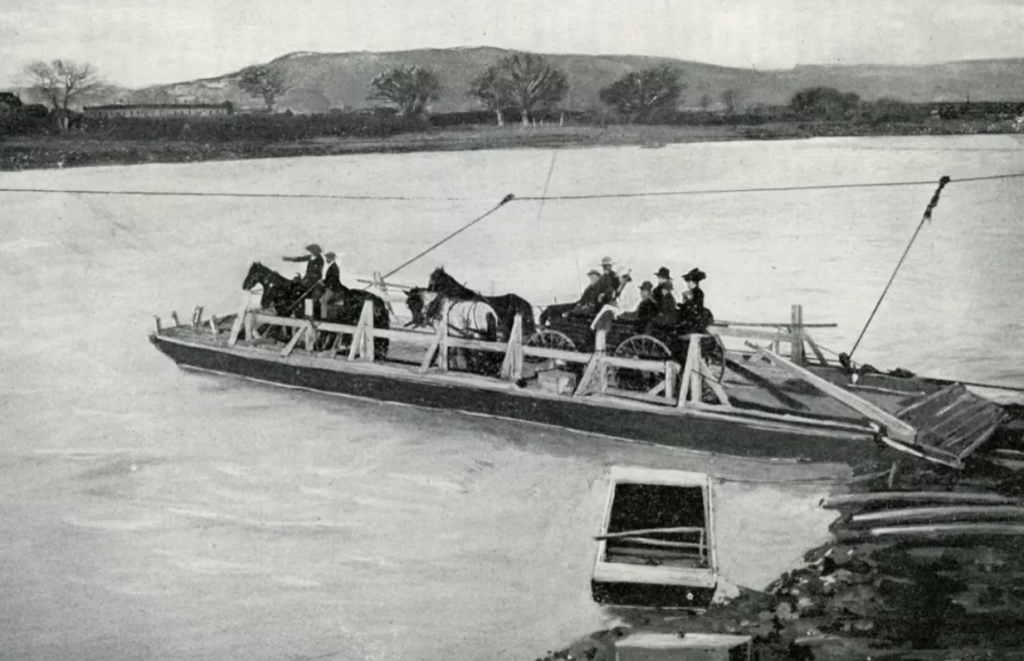
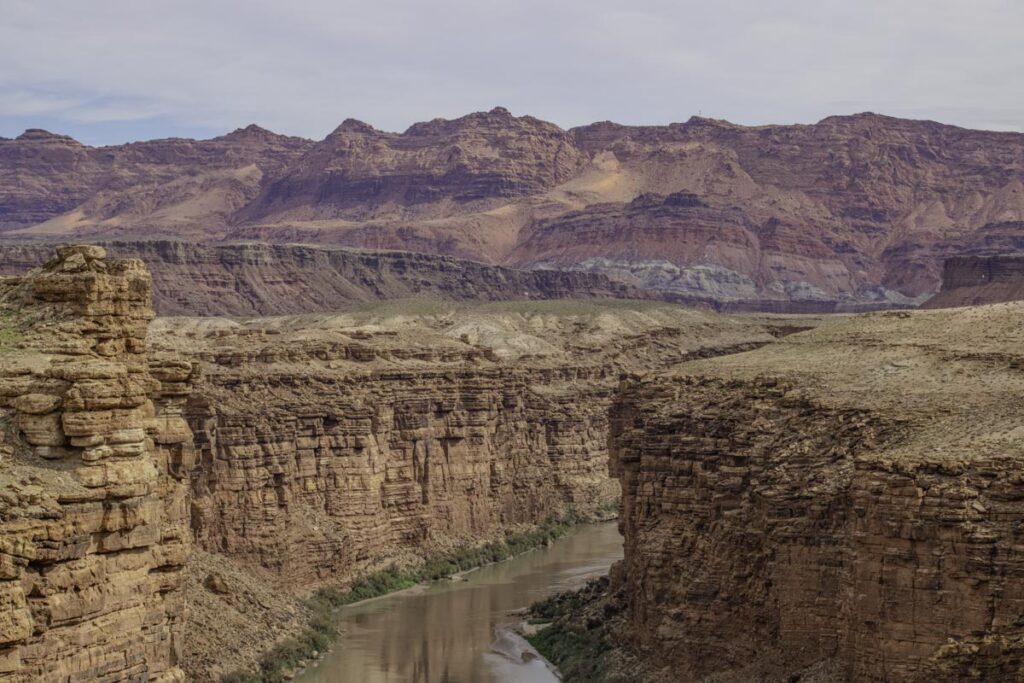
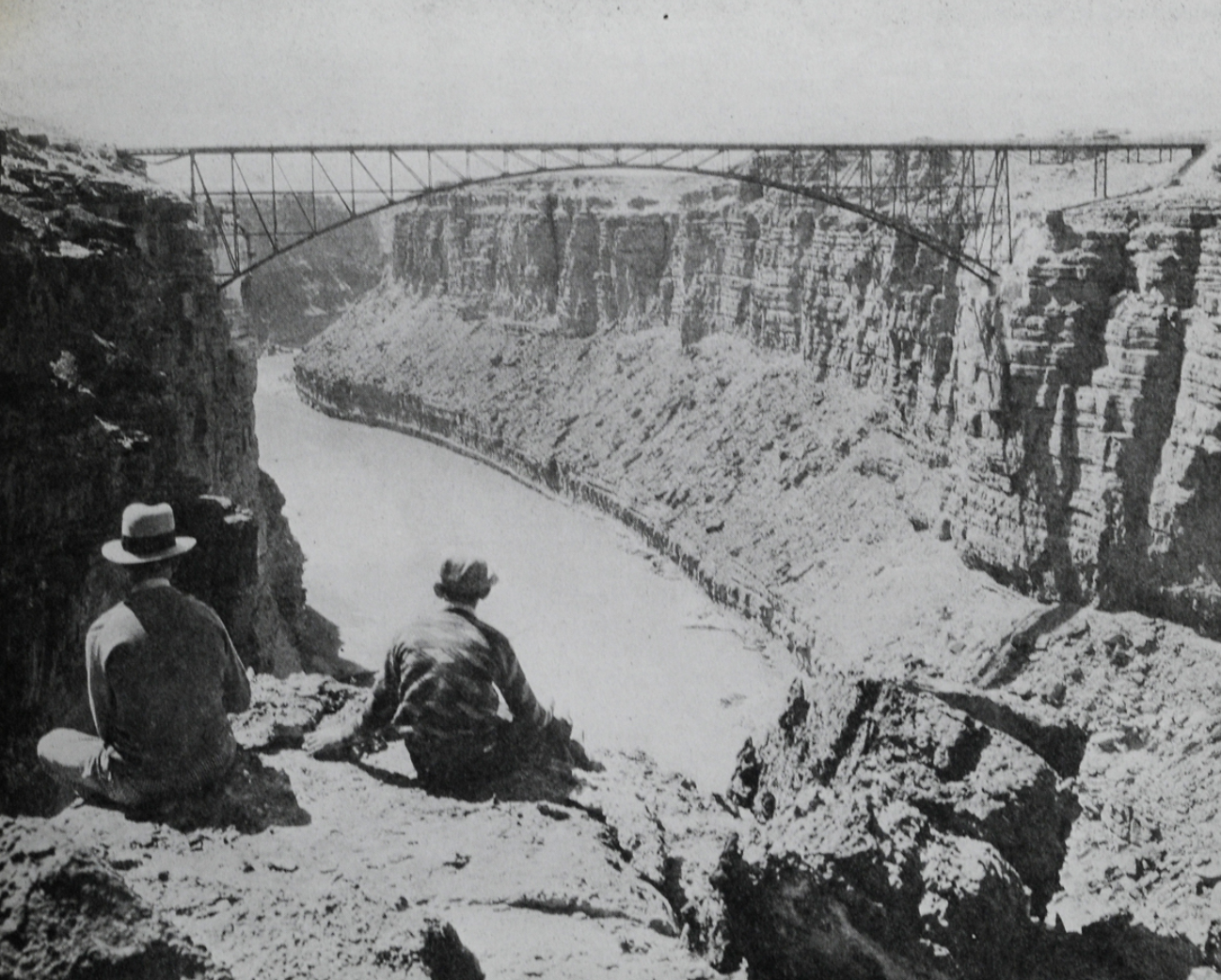
By the 1920s, cars were using the ferry too, and a bridge site was chosen five miles downriver at Marble Canyon. Construction began in June 1927. The terrain was rugged, and getting men, materials, and equipment across the 800-foot gap was difficult. The ferry carried supplies until June 7, 1928, when it sank and three men lost their lives.
The bridge opened to traffic on January 12, 1929. At the time, it was the highest steel arch bridge in the world, and travelers no longer had to contend with the moods of the Colorado River at Lees Ferry. Nearly 7,000 people came to the remote site for the June 1929 dedication. Airplanes flew under the bridge, and with Prohibition in effect, it was christened with ginger ale.
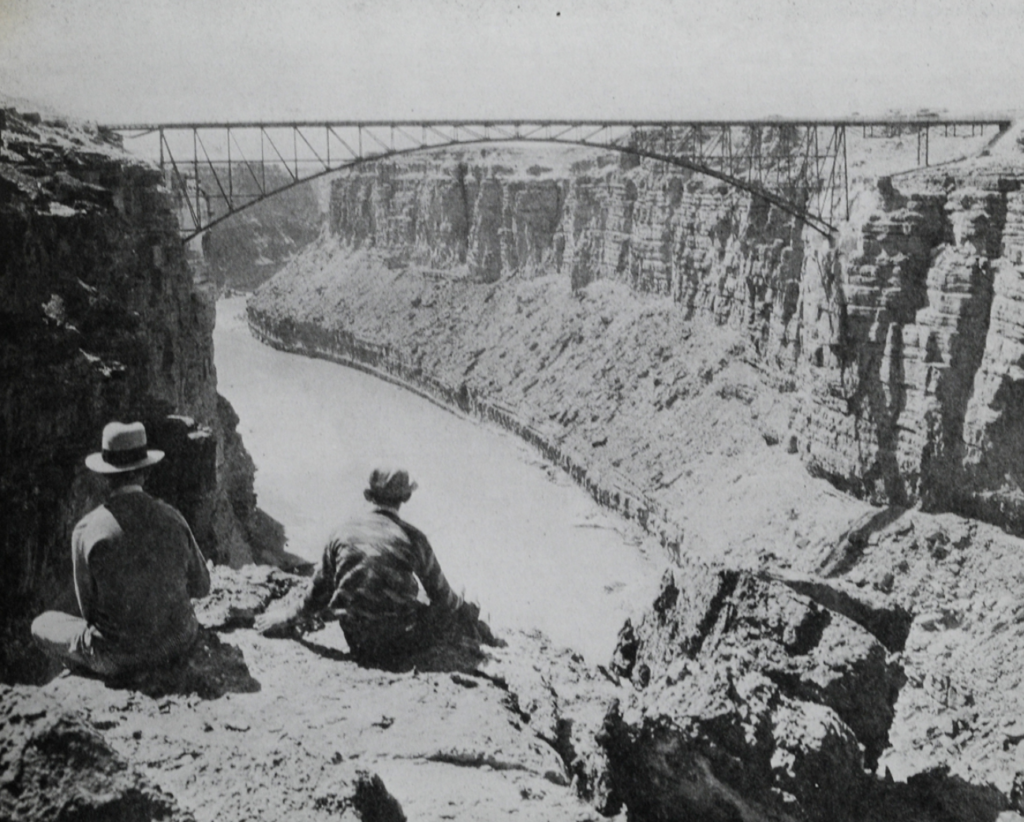
It was first called the Grand Canyon Bridge. In 1934, the Arizona legislature renamed it the Navajo Bridge.
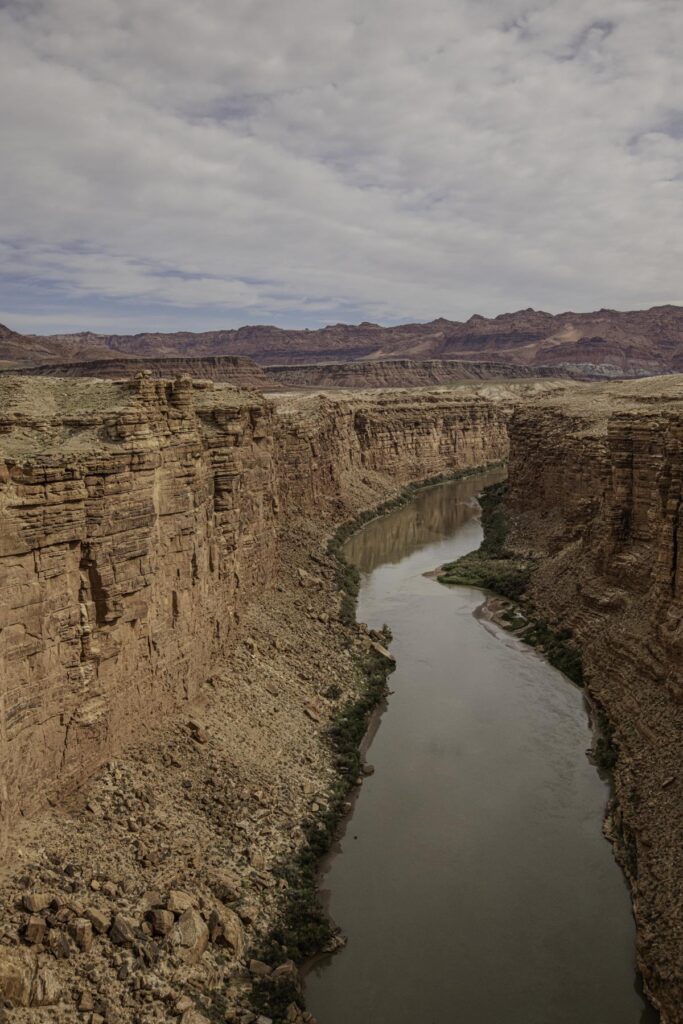
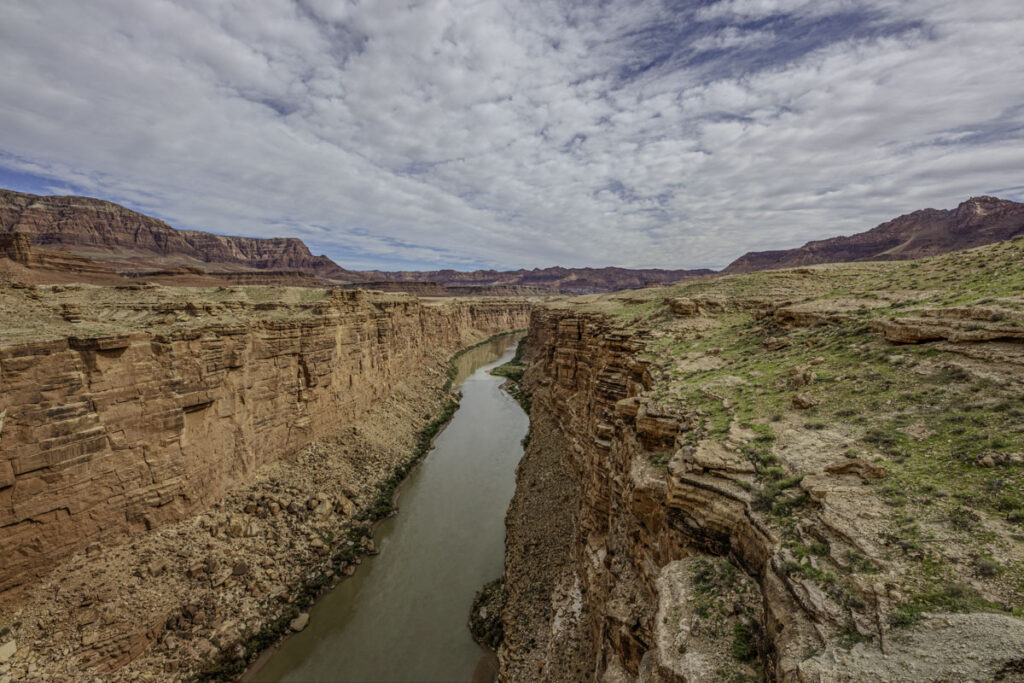
As vehicles grew larger and heavier, the original bridge, just 18 feet wide, became dangerous, and accidents increased, some of them fatal. State officials decided to build a new bridge alongside it. Construction began in May 1993, and the new Navajo Bridge opened on May 2, 1995. The historic bridge became a pedestrian walkway with amazing views of the Colorado River, 467 feet below.
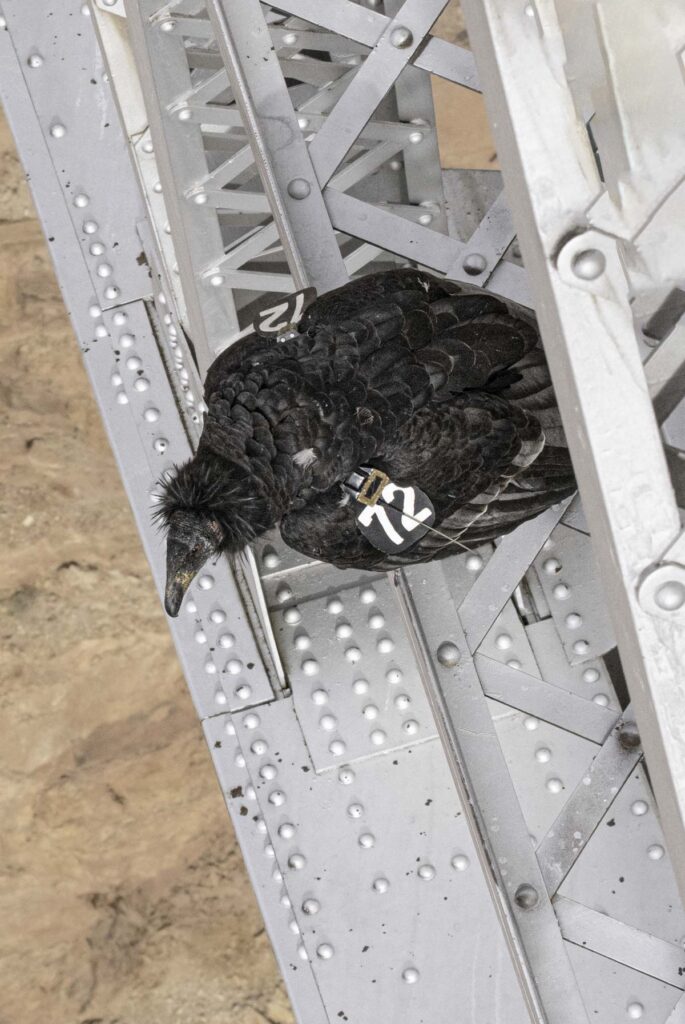
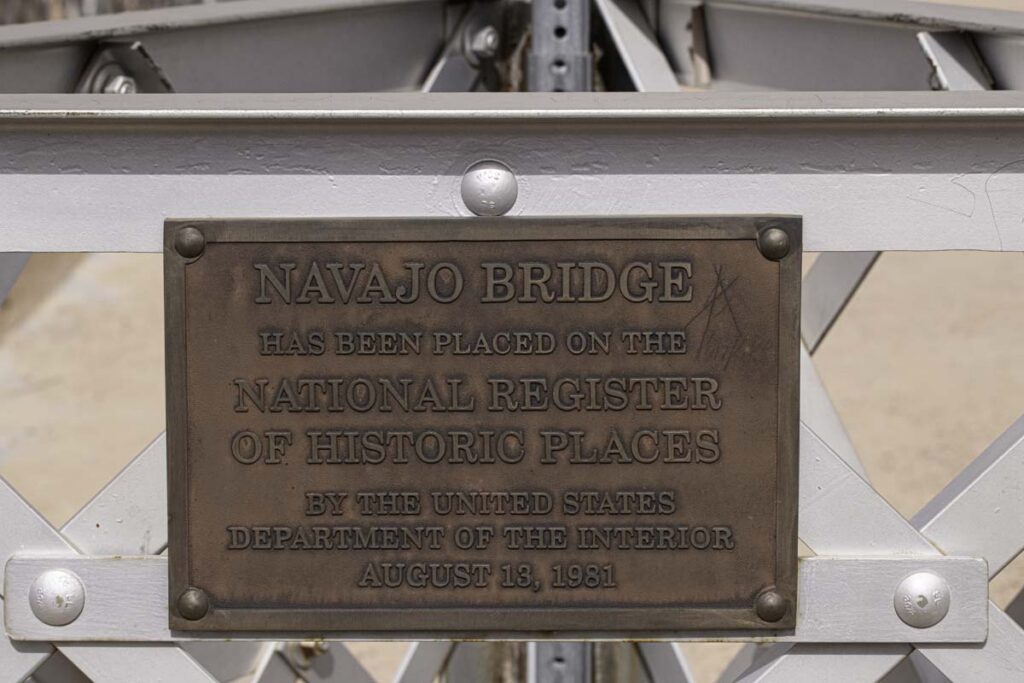
The original bridge was placed on the National Register of Historic Places on August 13, 1981, and is also a designated Historic Civil Engineering Landmark. California condors were reintroduced to the area in 1996 and can sometimes be spotted on and around the bridge.