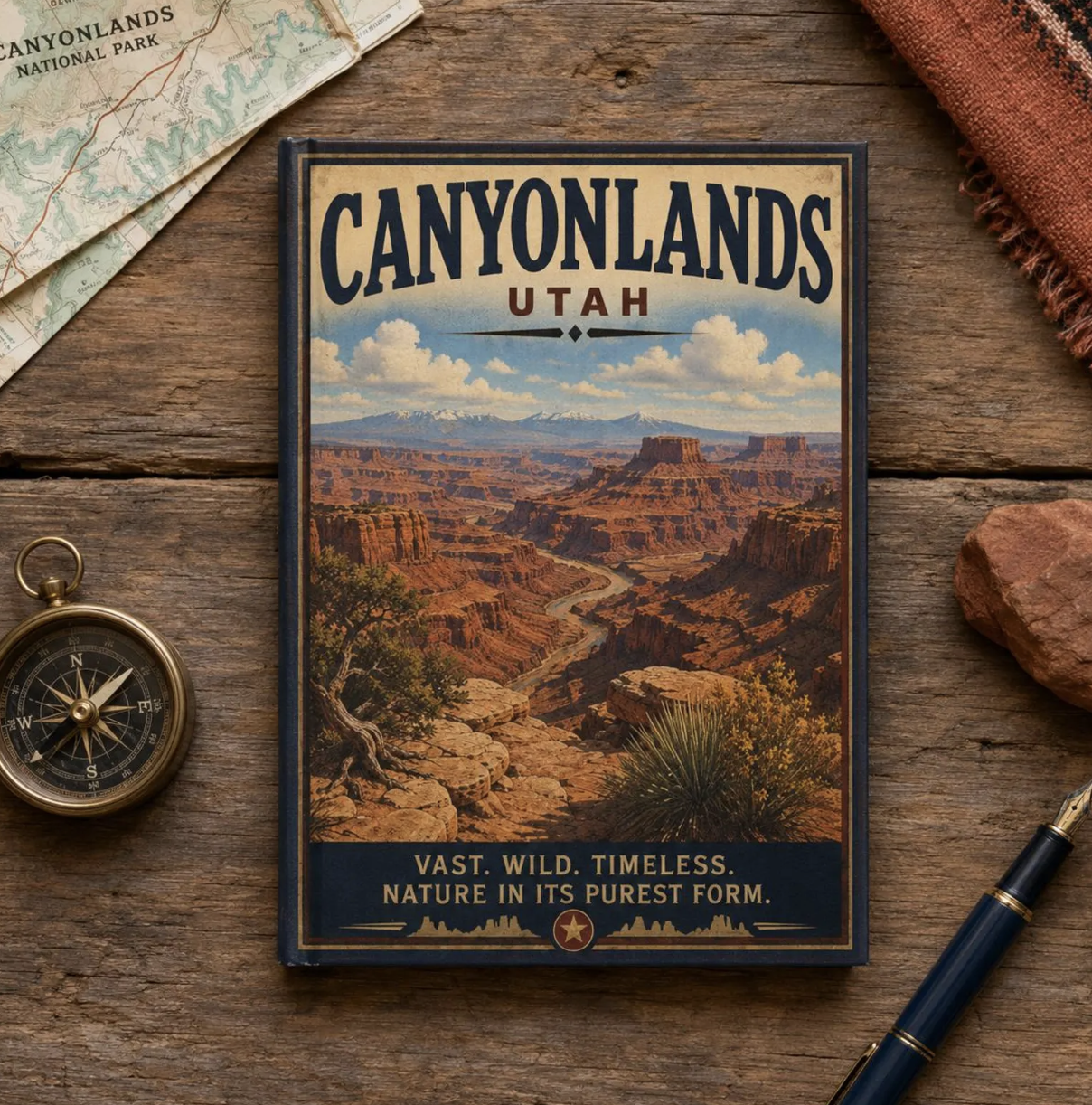

Canyonlands National Park is in southeastern Utah near the town of Moab. Established on September 12, 1964, when President Lyndon B. Johnson signed the legislation into law, Canyonlands became the nation’s 15th national park. Today, it protects more than 337,000 acres of some of the most rugged and spectacular scenery in the West.
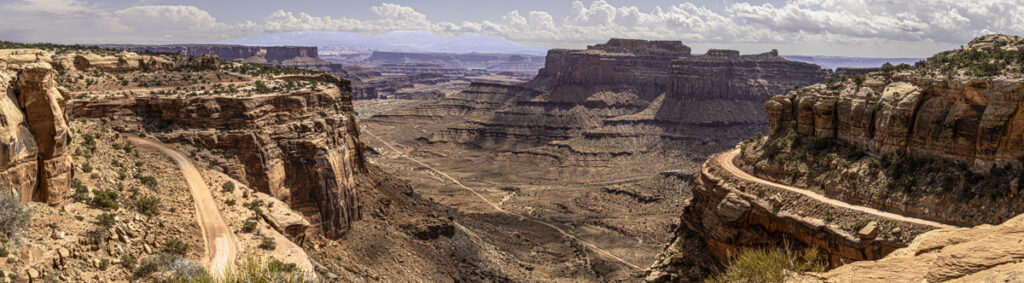
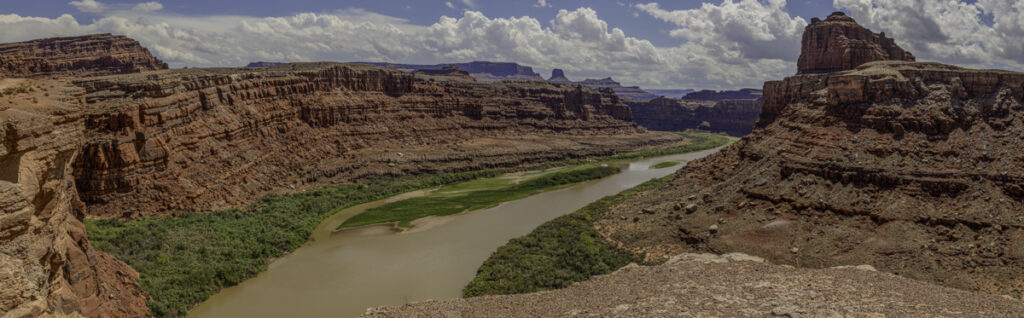
The landscape is a network of deep canyons, towering mesas, dramatic buttes, and winding rivers. Over millions of years, the Colorado River, the Green River, and their tributaries carved this breathtaking landscape.
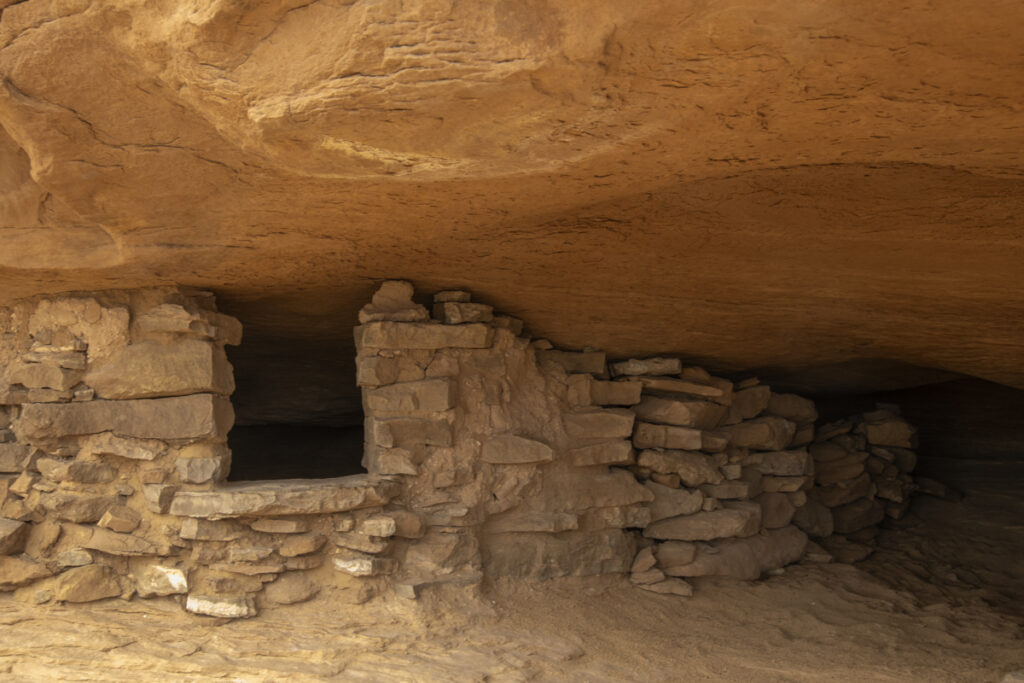
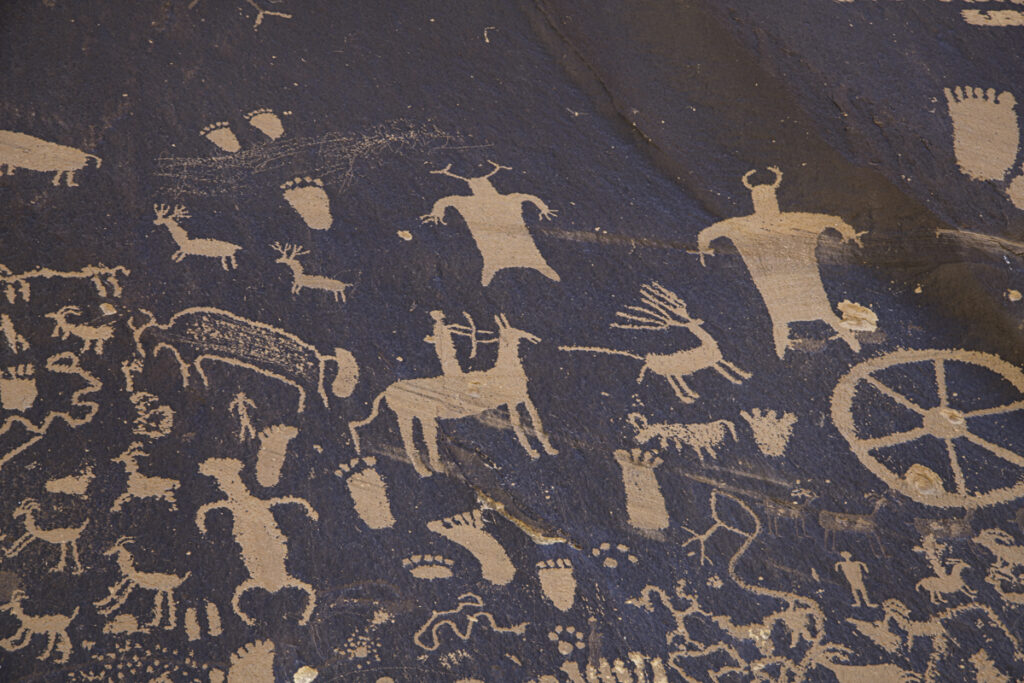
Before the arrival of European settlers, Native peoples called this region home. Evidence of their presence can still be found throughout the park. Remains of Ancient Puebloan granaries, often referred to as Anasazi granaries, date back to the 12th century and can still be seen tucked high into canyon walls. Later, the Ute and Navajo peoples occupied and travelled through the area until cattlemen began moving in during the late 1800s.
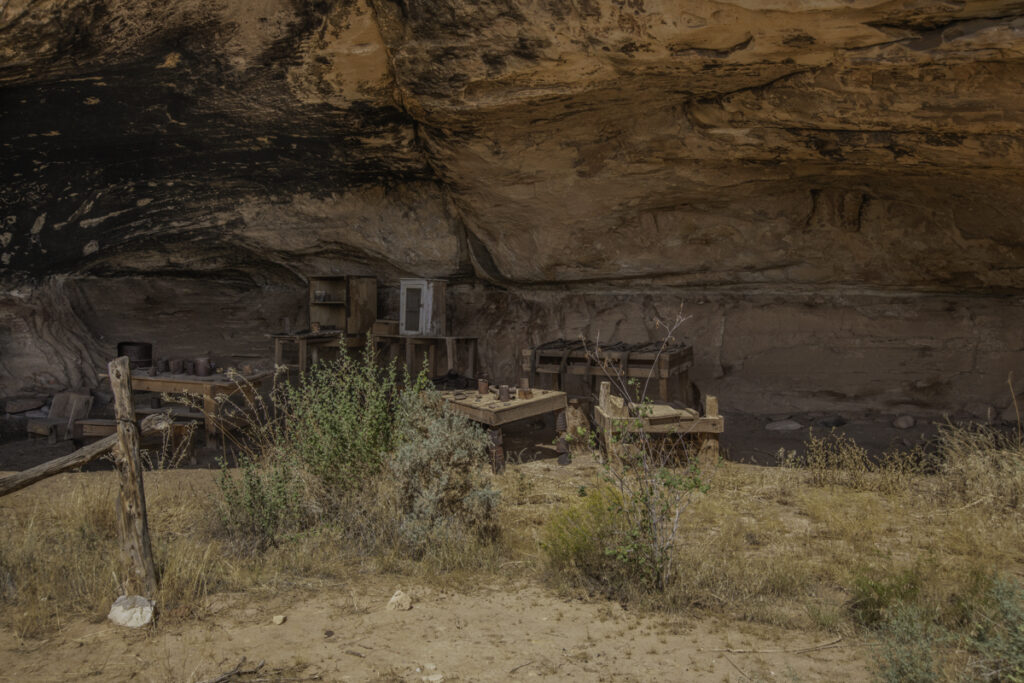
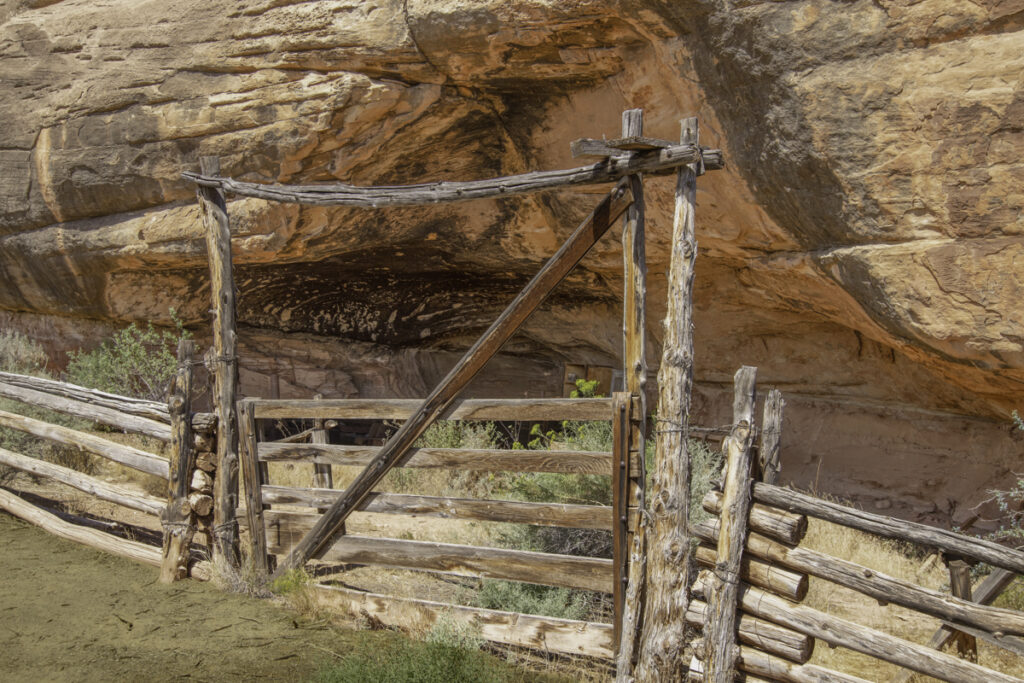
In the early 1900s, Mormon settlers arrived and established farming communities in what is now known as Spanish Valley. They transformed parts of the desert into productive farmland. Orchards, vineyards, and hayfields. They constructed irrigation systems, bridges, roads, and even a fish hatchery. Many of the roads and trails travelled by visitors today follow routes first established by these early settlers.
Canyonlands National Park might have never existed if it had not been for a man named Bates Wilson. During the early 1950s, Wilson, superintendent of nearby Arches National Monument, began exploring the remote country south of Arches. What he discovered convinced him that the area also should be protected . He spent years promoting the idea of creating a new national park.
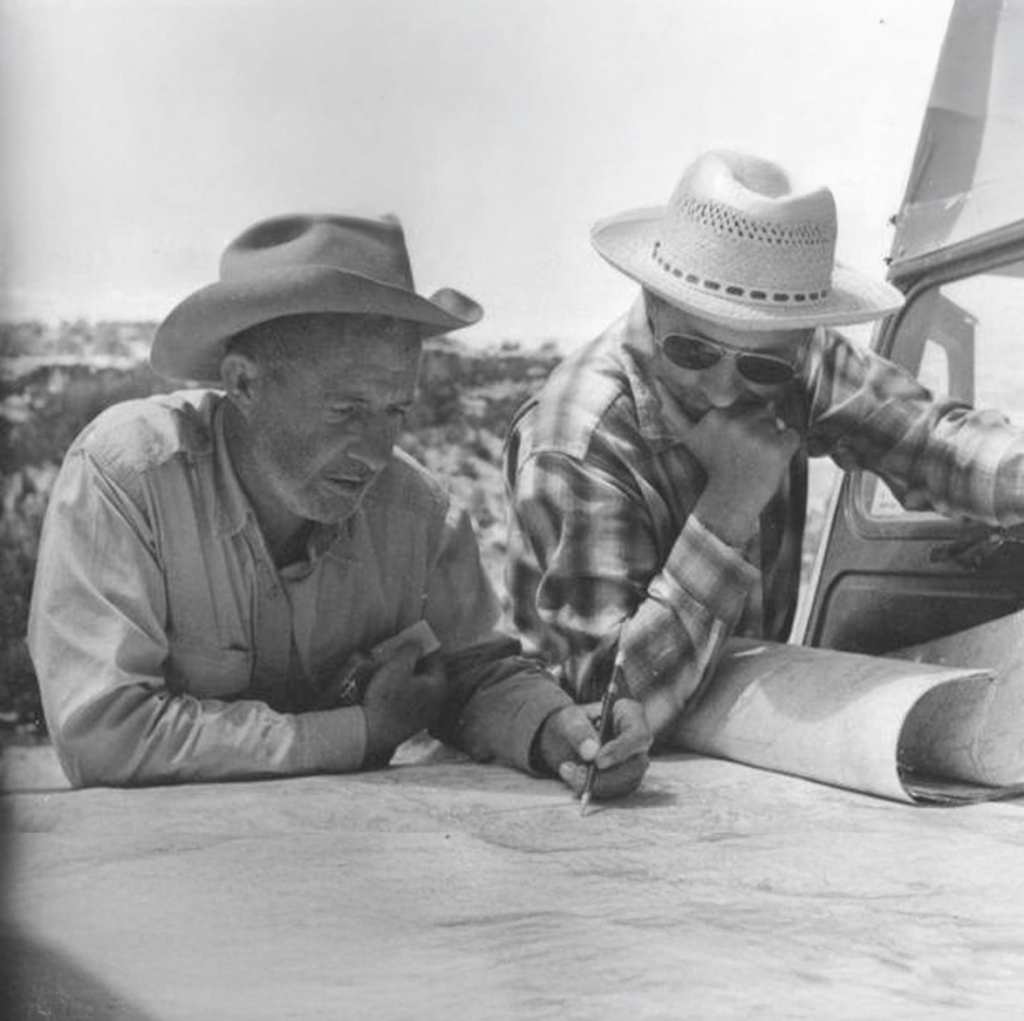
Wilson had a valuable ally in Utah Senator Frank Moss, who introduced legislation to establish Canyonlands National Park. After years of debate and numerous revisions the legislation finally was approval in Congress.
In September 1964, President LBJ signed the approval and Canyonlands National Park was born. Bates Wilson became its first superintendent and is still known today as the “Father of Canyonlands.”
The park is divided into four distinct districts: Island in the Sky, the Needles, the Maze, and the river corridors carved by the Colorado and Green Rivers. Each is unique, from sweeping overlooks and scenic drives to remote backcountry hikes that will make you think that you are in a different world.
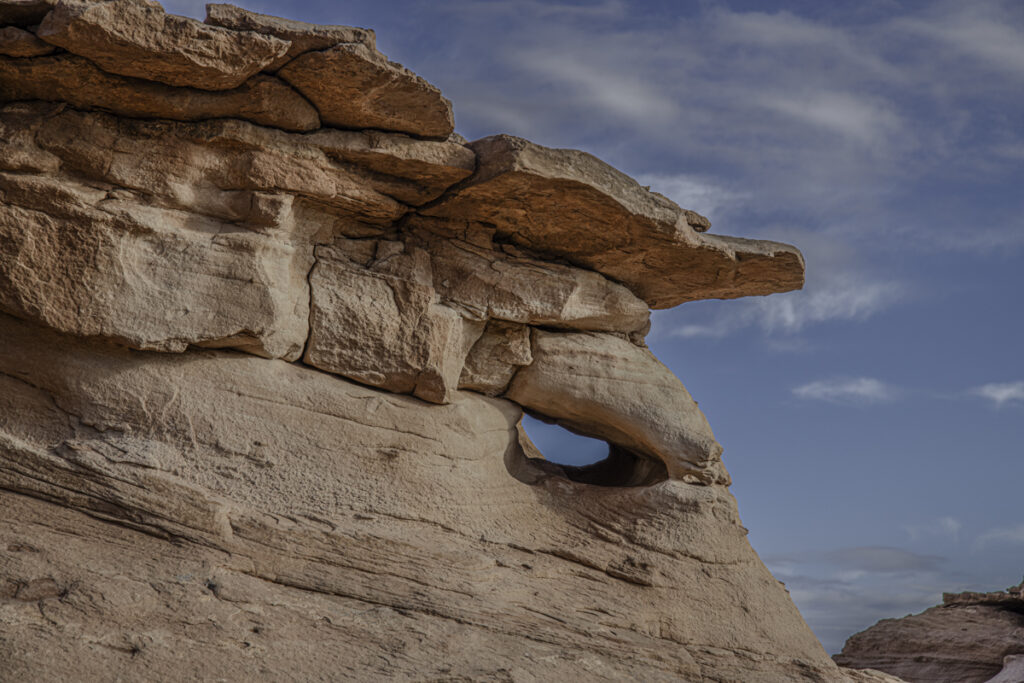
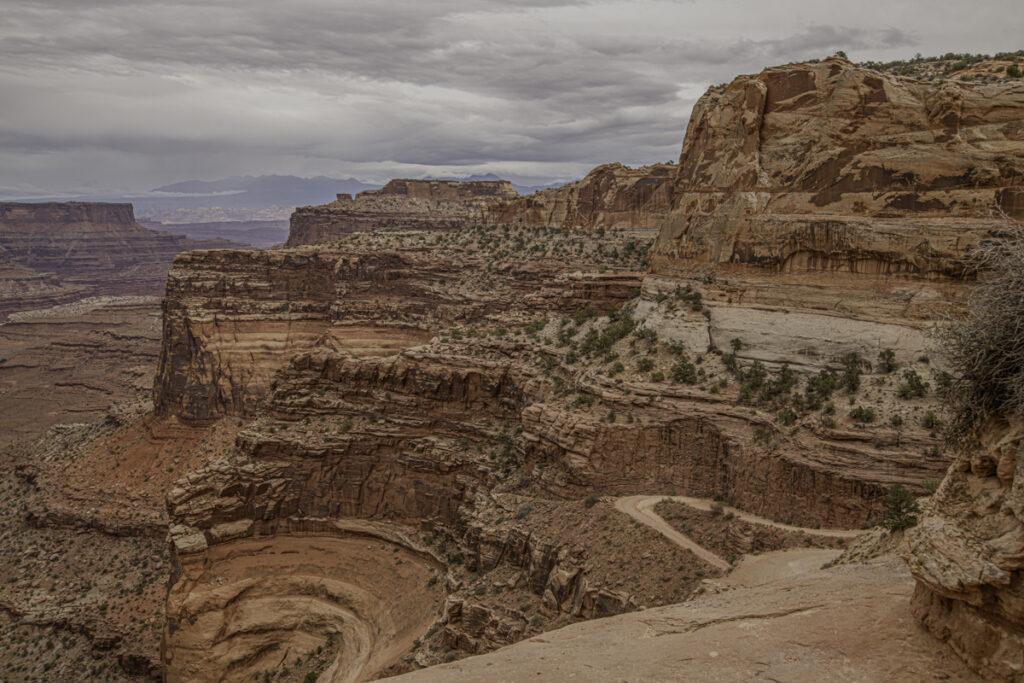
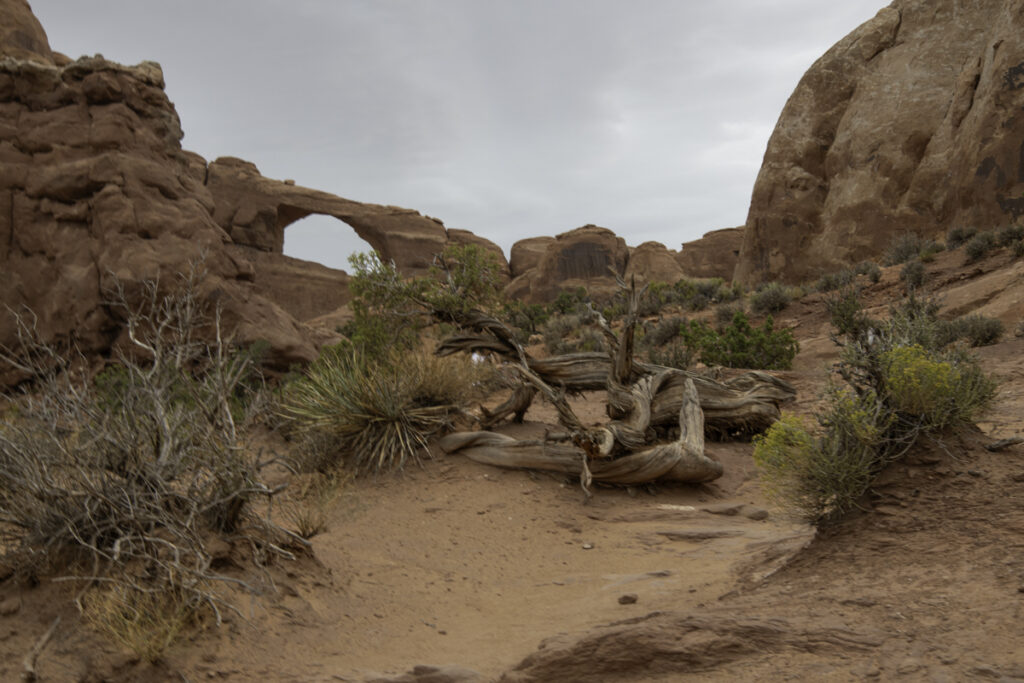
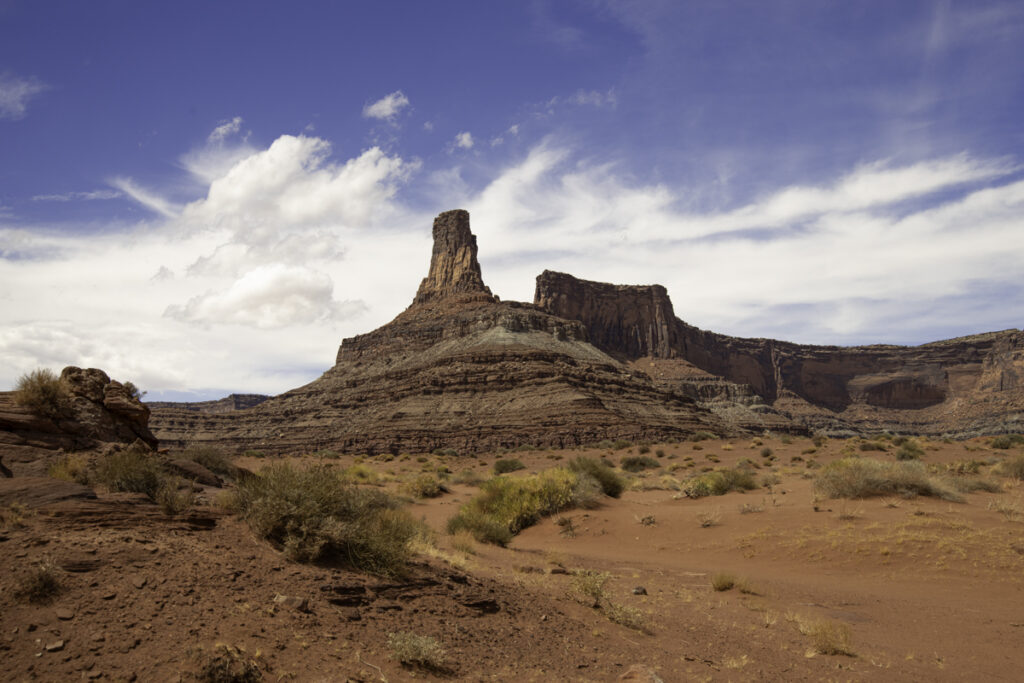
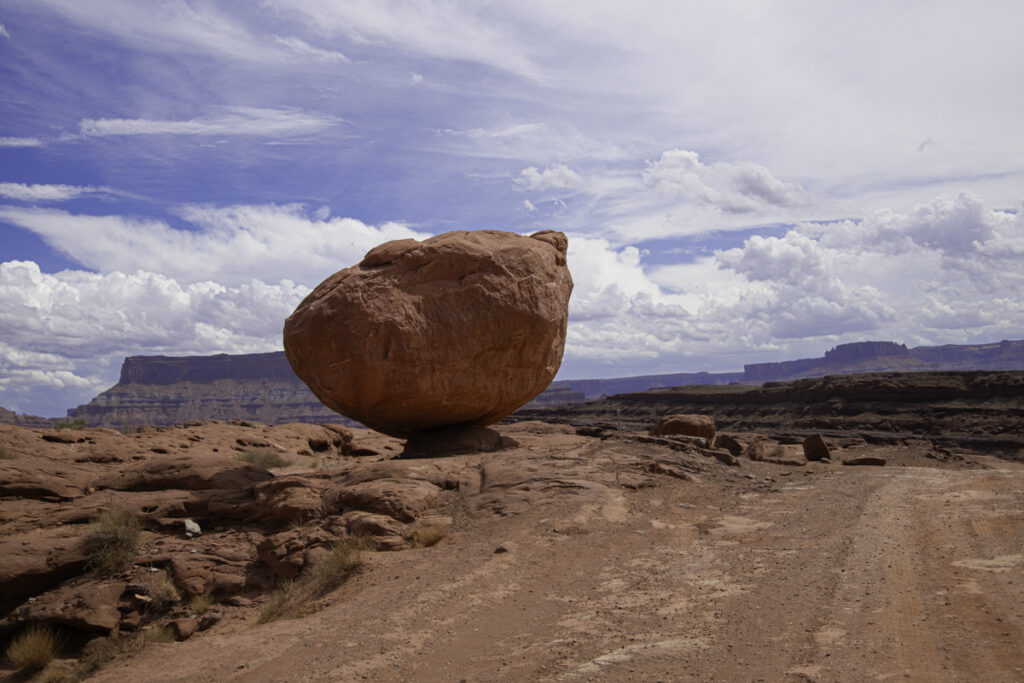
Author Edward Abbey perhaps described Canyonlands best when he called it, “the weirdest, most wonderful magical place on earth. There is nothing else like it anywhere.”
Whether you’re hiking to ruins, mountain biking across slickrock, navigating rapids on the Colorado River, or standing on the edge of a canyon soaking in the beautiful scenery Canyonlands is an unforgettable experience. It is one of America’s most remarkable landscapes.
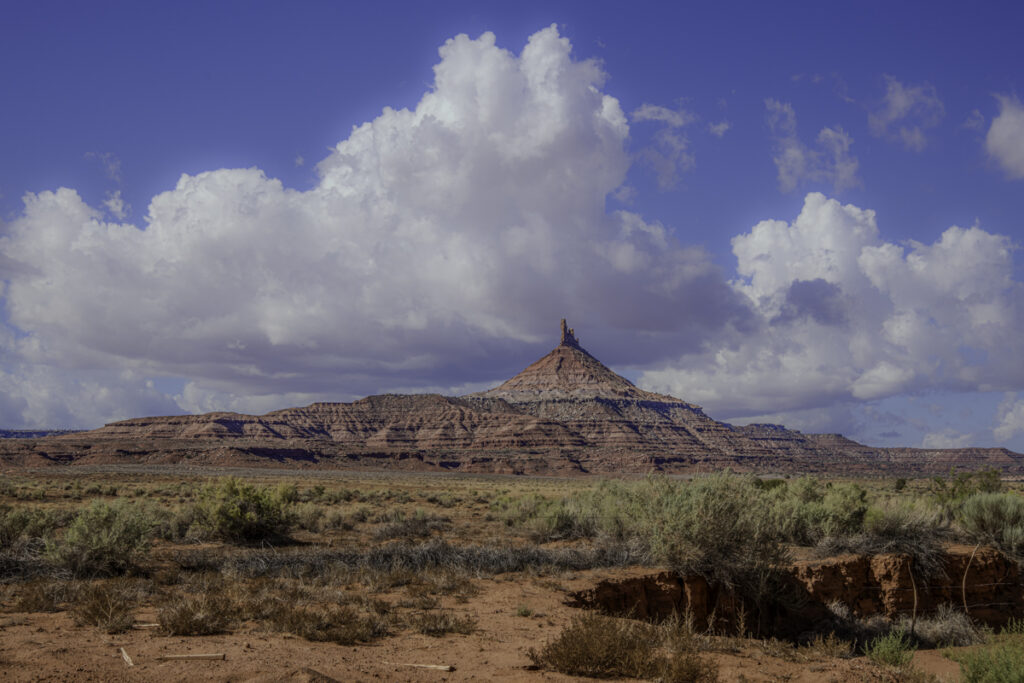
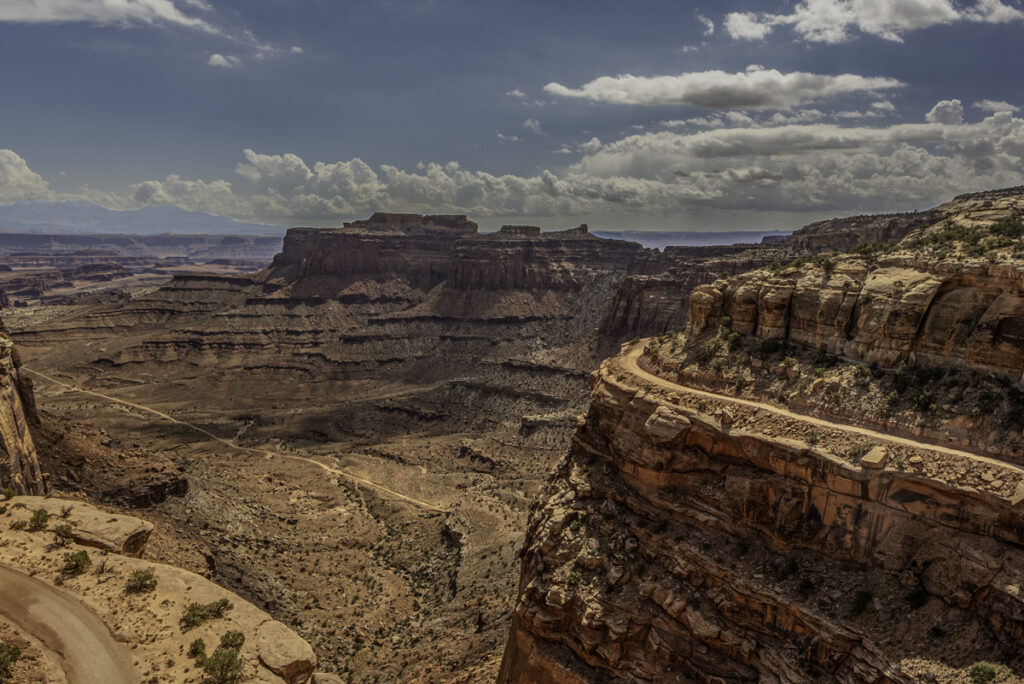
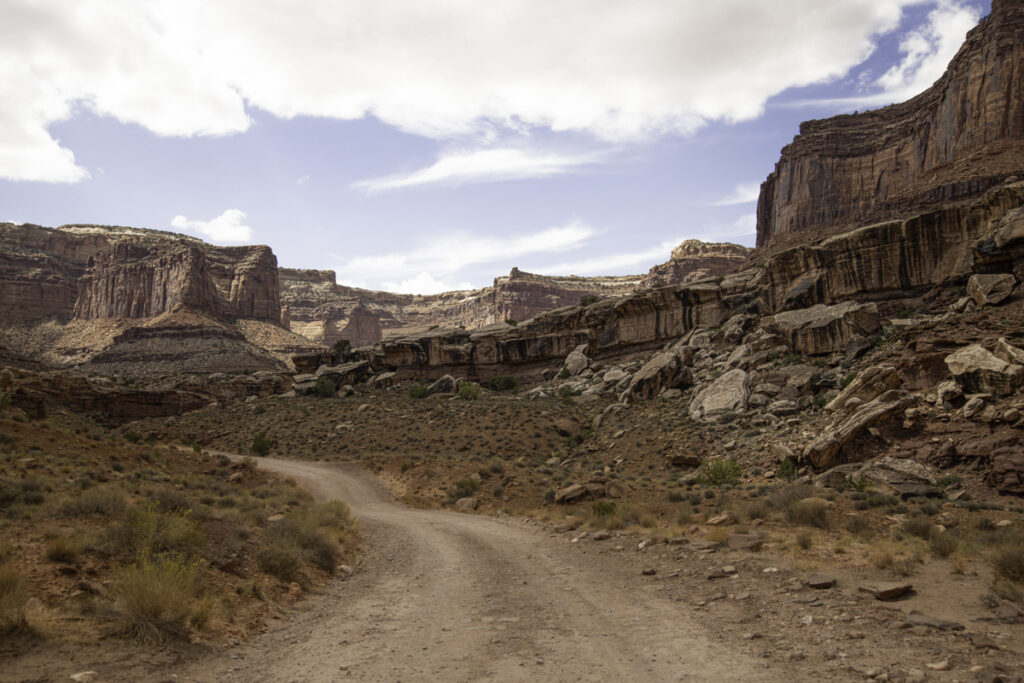
If you enjoy exploring the back roads and discovering places where nature dominates the horizon, Canyonlands National Park should be at the top of your travel list.
“Keep close to Nature’s heart… and break clear away, once in awhile, and climb a mountain or spend a week in the woods. Wash your spirit clean.” John Muir
#FocusOnTheBackRoads #CanyonlandsNationalPark #Utah #Moab #NationalParks #BackRoadsAmerica #RoadTrip #ExploreUtah #OutdoorAdventure #AmericanWest #TravelHistory #NaturePhotography