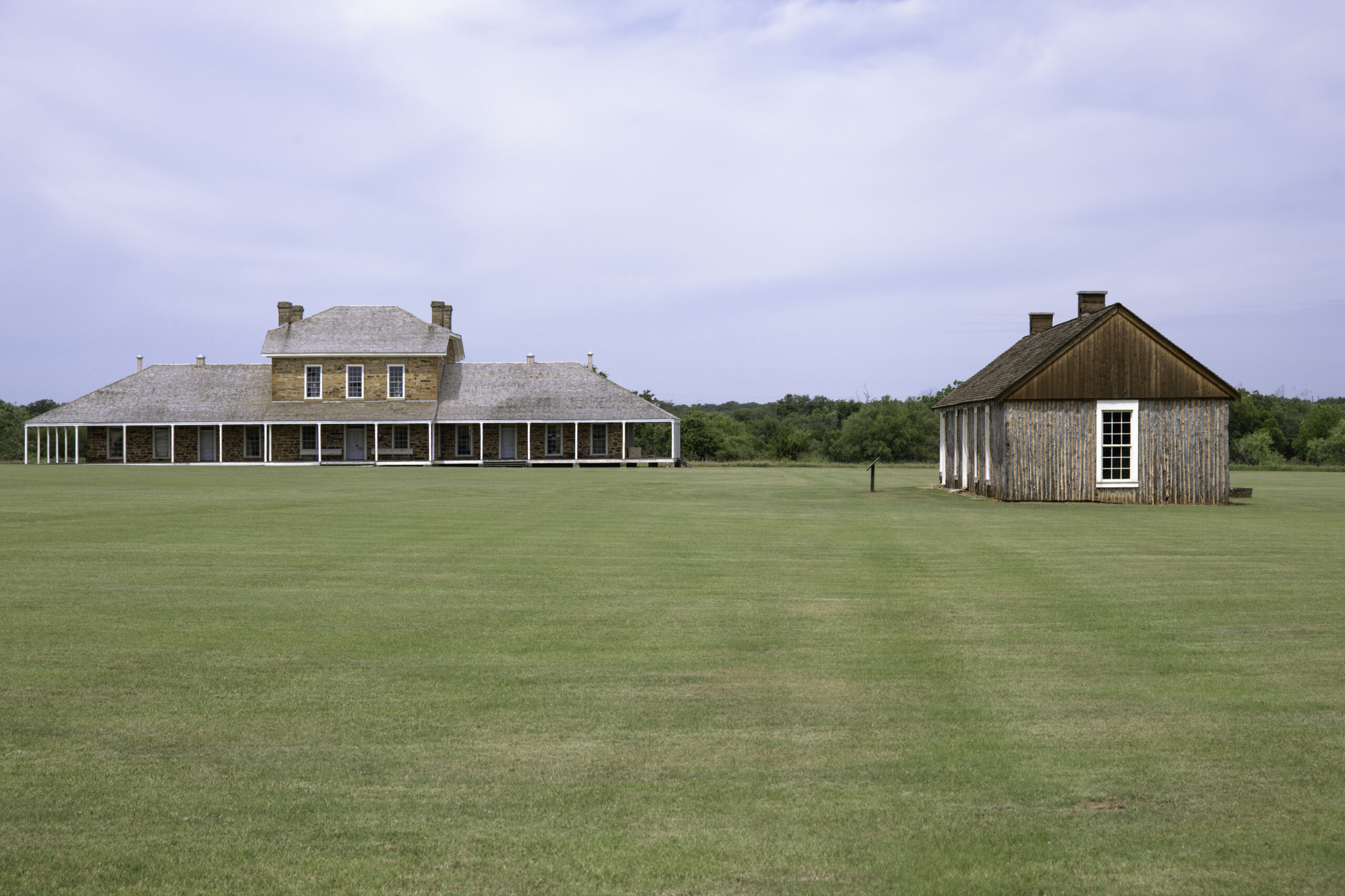


The United States Army established Fort Richardson in 1867 near present-day Jacksboro, Texas. Active from 1867 to 1878, the fort was named in honor of Union General Israel B. Richardson, who died from wounds received during the Civil War. As a post-Civil War frontier outpost, Fort Richardson played a key role in protecting settlers and reducing conflicts between expanding settlements and Native American tribes in North Texas.
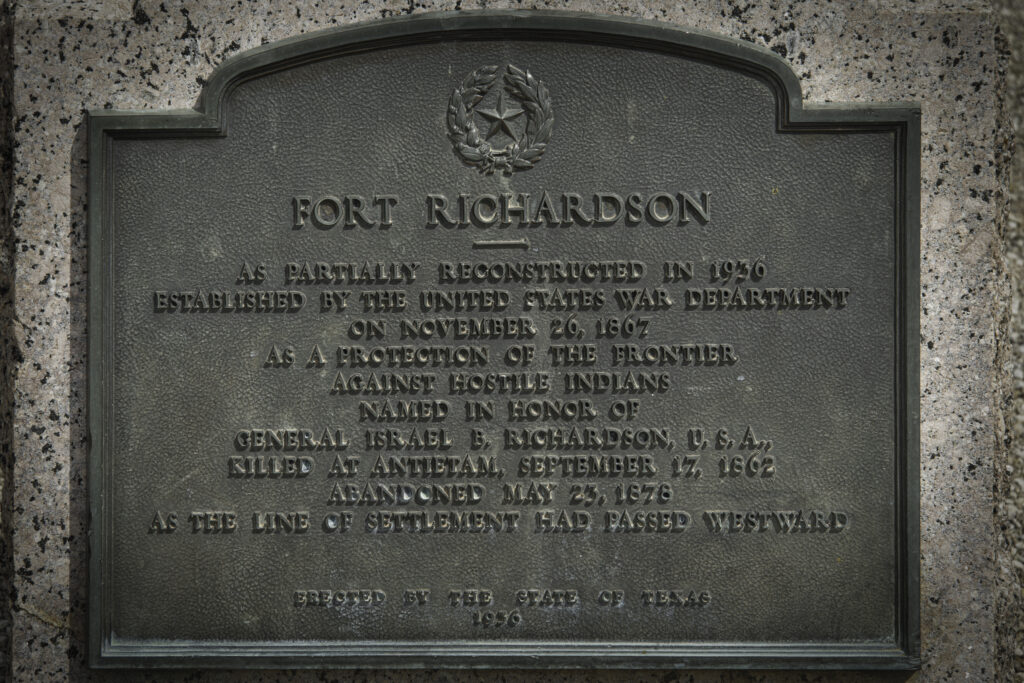
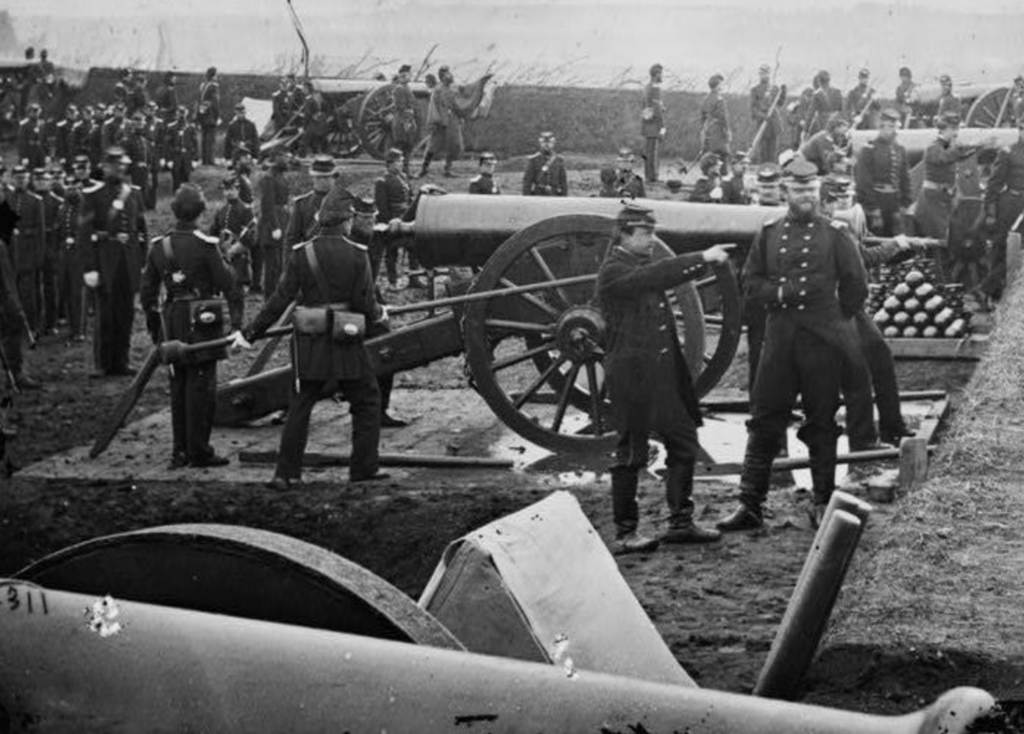
Construction of the fort began on a 300-acre site along Lost Creek, a tributary of the West Fork of the Trinity River. Over time, more than 60 buildings were constructed at a cost of approximately $800,000. Originally designed as a five-company post, Fort Richardson expanded to accommodate ten or more companies. By 1872, with 666 officers and enlisted men stationed there, it was considered the largest U.S. Army installation in the nation.
Life was challenging for the soldiers stationed at Fort Richardson. Their duties included long patrols across the rugged Texas frontier, stretching from Clay and Jack counties westward to Palo Duro Canyon. Encounters and conflicts with Comanche and Kiowa warriors were common as tensions increased across the region.
Fort Richardson became a major staging area during the Red River War of 1874–1875, a campaign aimed at ending Native American resistance on the Southern Plains. The Fourth Cavalry launched operations against the Comanches under Quanah Parker and the Kiowas under Red Warbonnet. One of the most significant engagements was the Battle of Palo Duro Canyon in September 1874. The U.S. victory effectively ended large-scale raids along the northern Texas frontier and marked a turning point in the Red River War.
During its eleven years of operation, more than 5,000 soldiers served at Fort Richardson, with troop strength reaching nearly 800 at its peak. For its first three years, the fort functioned primarily as an occupation post during Reconstruction. After Texas was readmitted to the Union in 1870, the fort’s mission shifted toward frontier defense and Indian War campaigns. Three major military campaigns and hundreds of patrols originated from Fort Richardson. In recognition of extraordinary bravery during these operations, Congress awarded 30 Medals of Honor to soldiers who served at the fort.
Following the conclusion of the Red River War, the U.S. Army determined that Fort Richardson was no longer necessary. The post was officially abandoned on May 23, 1878. For a brief period, some of the buildings were used as an Indian school. Over the following decades, the stone and cottonwood structures deteriorated.
Because of efforts of local citizens in Jacksboro, Fort Richardson was preserved and designated a Texas State Historic Site in 1963 under the management of the Texas Parks and Wildlife Department. Extensive restoration work began in 1968, and the site reopened to the public in 1973 as Fort Richardson State Historic Park.
Today, Fort Richardson remains a popular destination for history enthusiasts, outdoor adventurers, and families interested in exploring Texas heritage. Visitors can tour restored buildings, including the officers’ quarters, hospital, and guardhouse, gaining a firsthand look at life on the Texas frontier.
In addition to its historical attractions, Fort Richardson State Park offers hiking trails, fishing opportunities, camping facilities, and scenic views along Lost Creek. The combination of rich history and natural beauty makes Fort Richardson an outstanding destination for a weekend getaway and a fascinating journey into Texas’ frontier past.
FORT RICHARDSON BUILDINGS
The Commanding Officers Quarters – The largest house built on the grounds. It is currently the only cottonwood frame house quarters standing in the United States from the Indian War period. The first floor has several sitting areas, a kitchen, and bedrooms. The second floor was storage area and additional bedrooms.
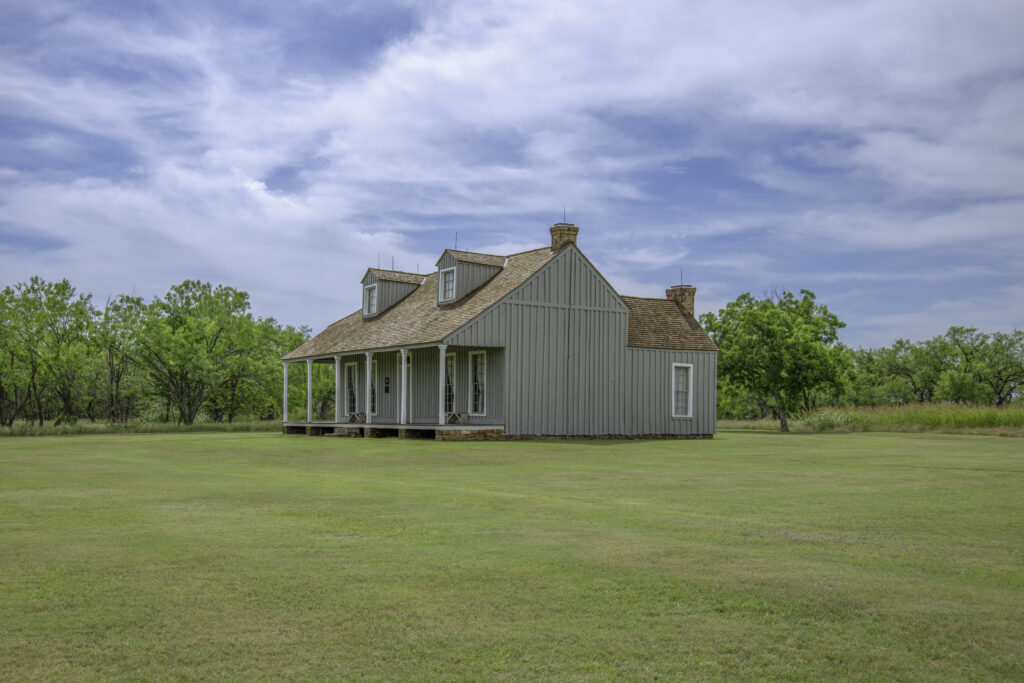
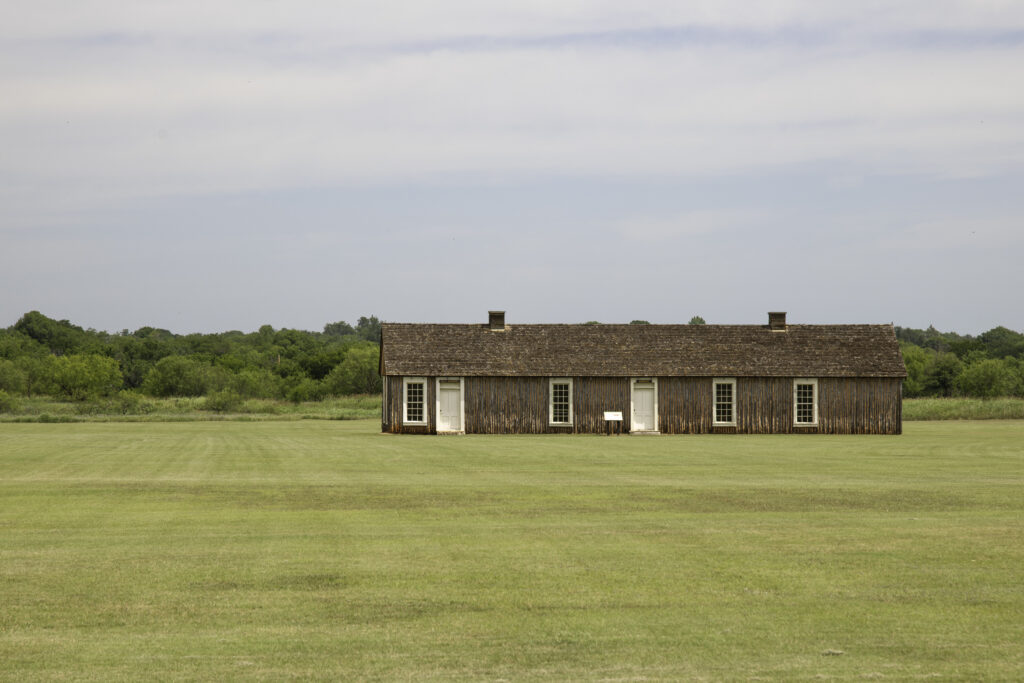
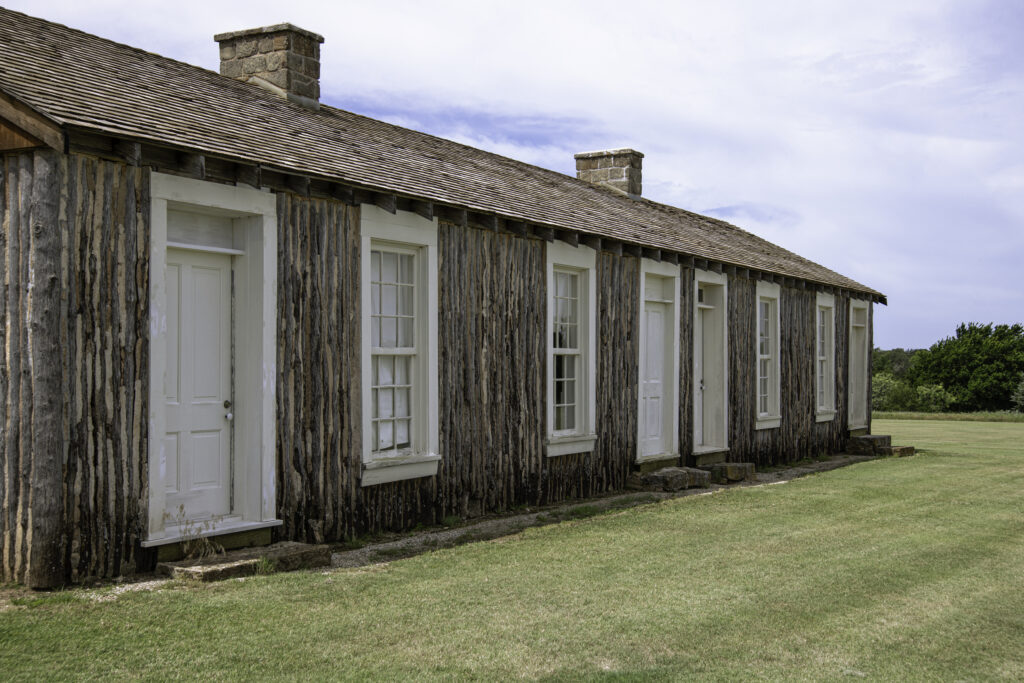
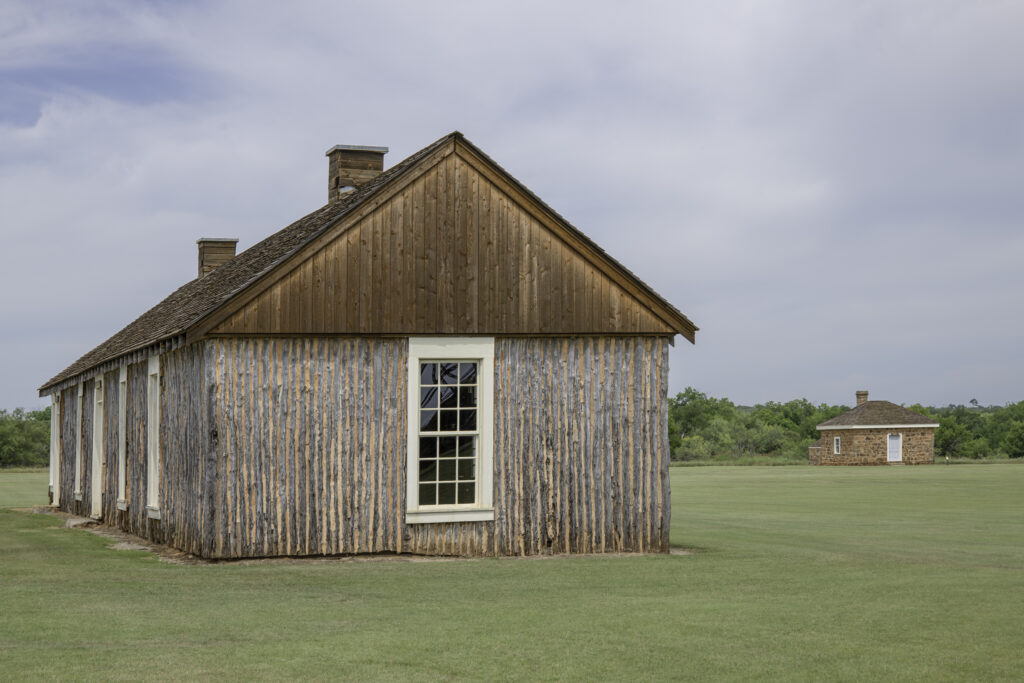
The Enlisted Men’s Barracks – the building consisted of two rooms on the west end, used by the non-commission officers. The large room on the east end was used as sleeping quarters for the enlisted men. There were bunk beds with mattresses filled with straw. The straw was changed out monthly. There were two wood-burning stoves for heat. As man as 150 soldiers crammed into each barracks. Living conditions were bad!
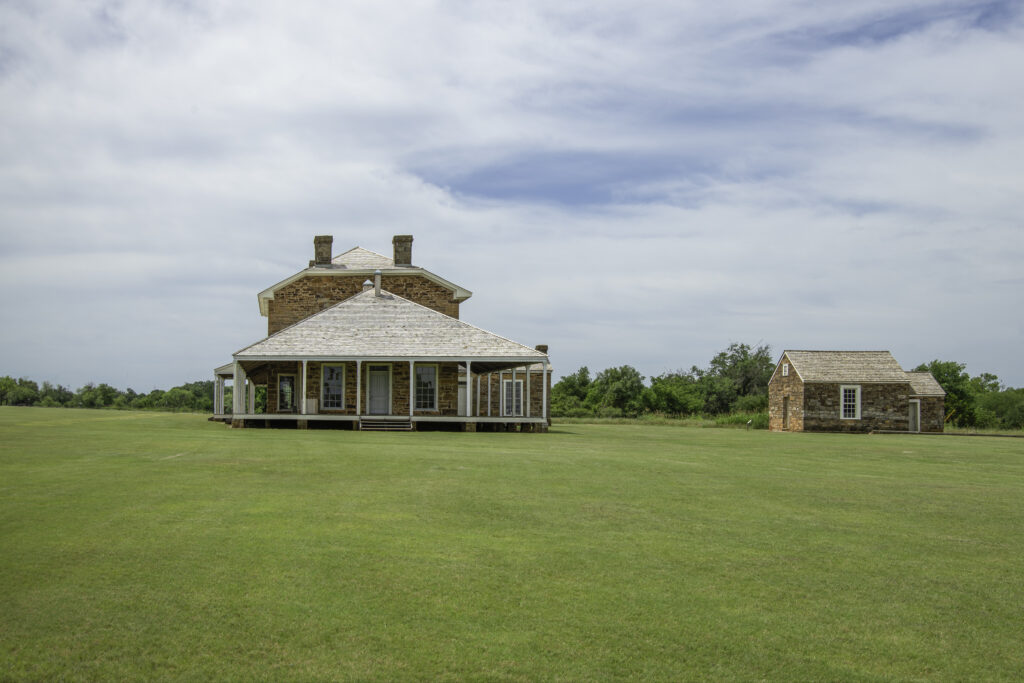
The Post Hospital – was completed in 1869 and is the was the largest building on the grounds. The building consisted of the Dispensary, Post Surgeon’s Office, Dining Room, Steward’s Room, and a Kitchen. The upstairs was used a the Morque (Death Room) until a separate building was built, then it was used for storing medical supplies and for medical staff quarters. The north and south ward had a total of 24 beds.
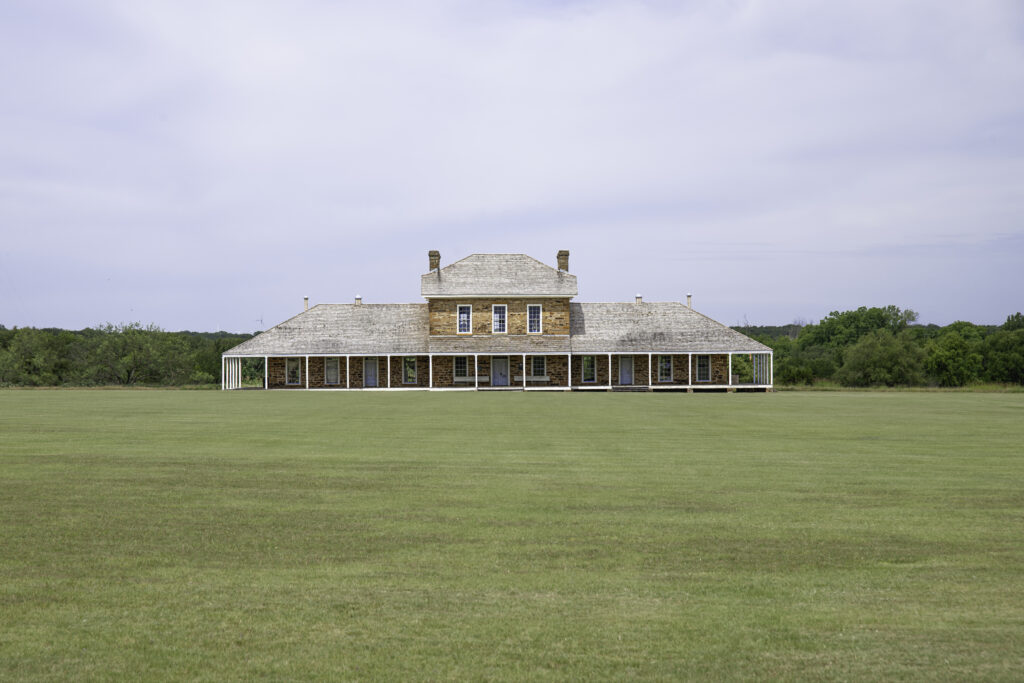
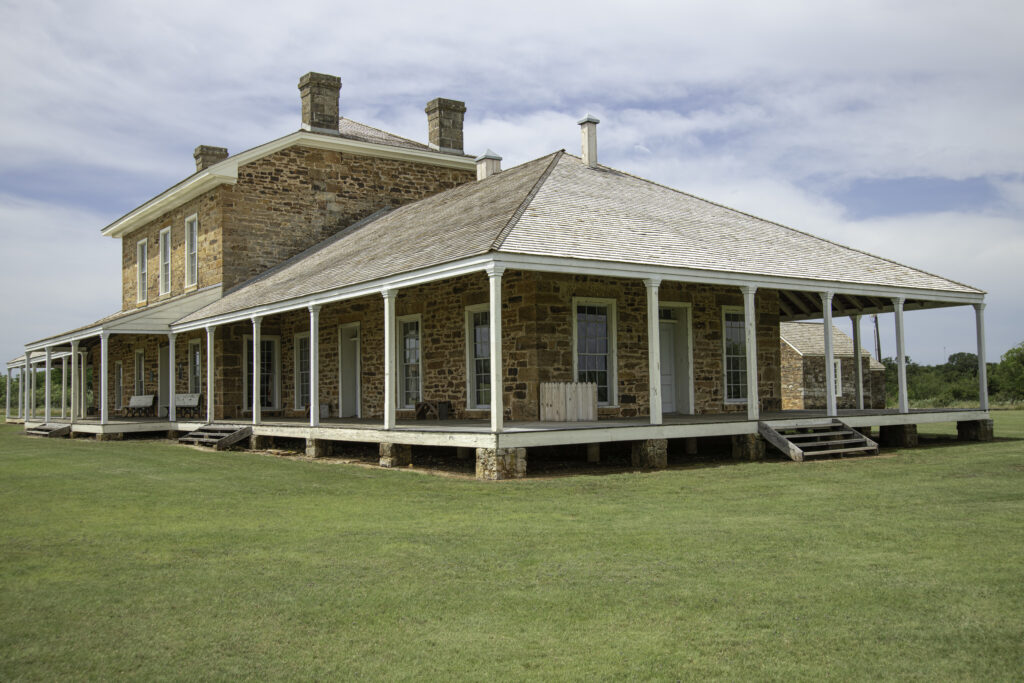
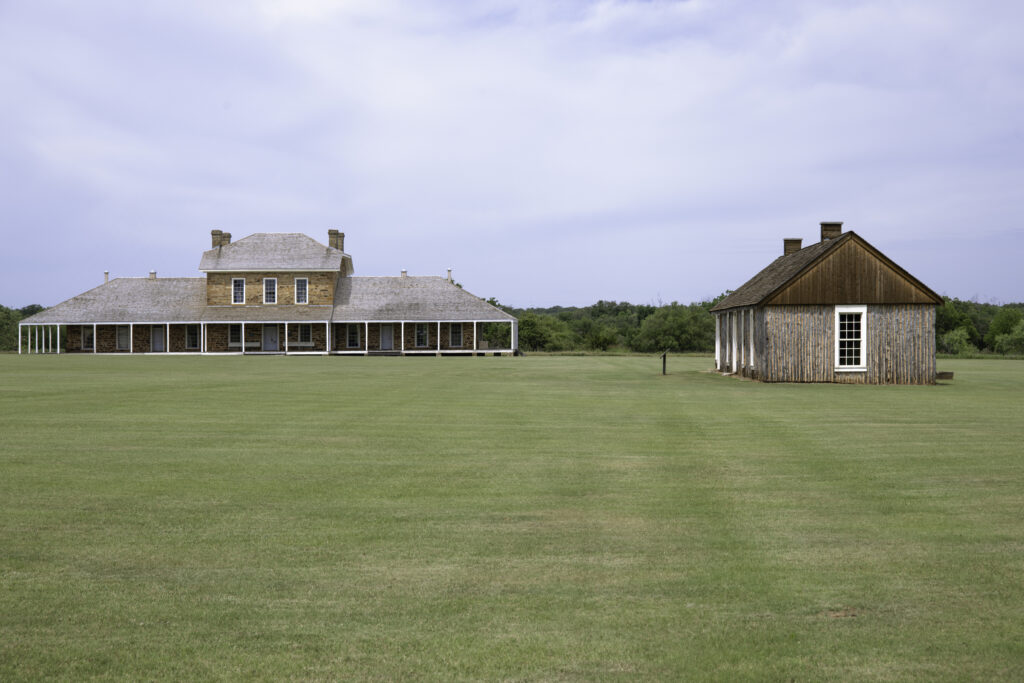
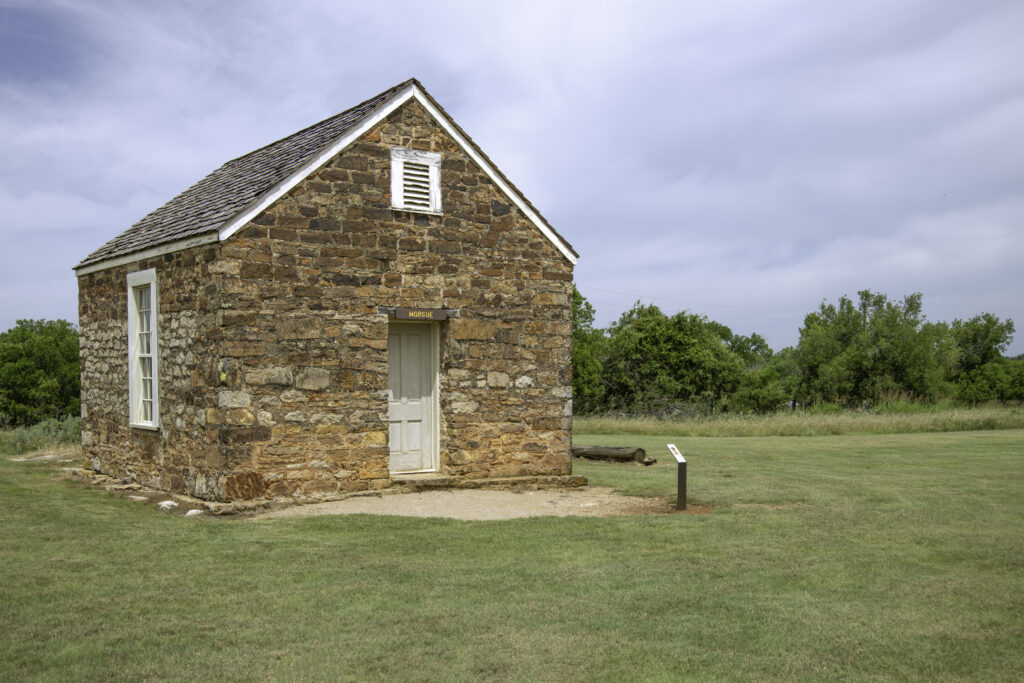
The Morgue (Death Room) – this was the last building constructed, built in 1875. Bodies of the soldiers were prepared for burial here.
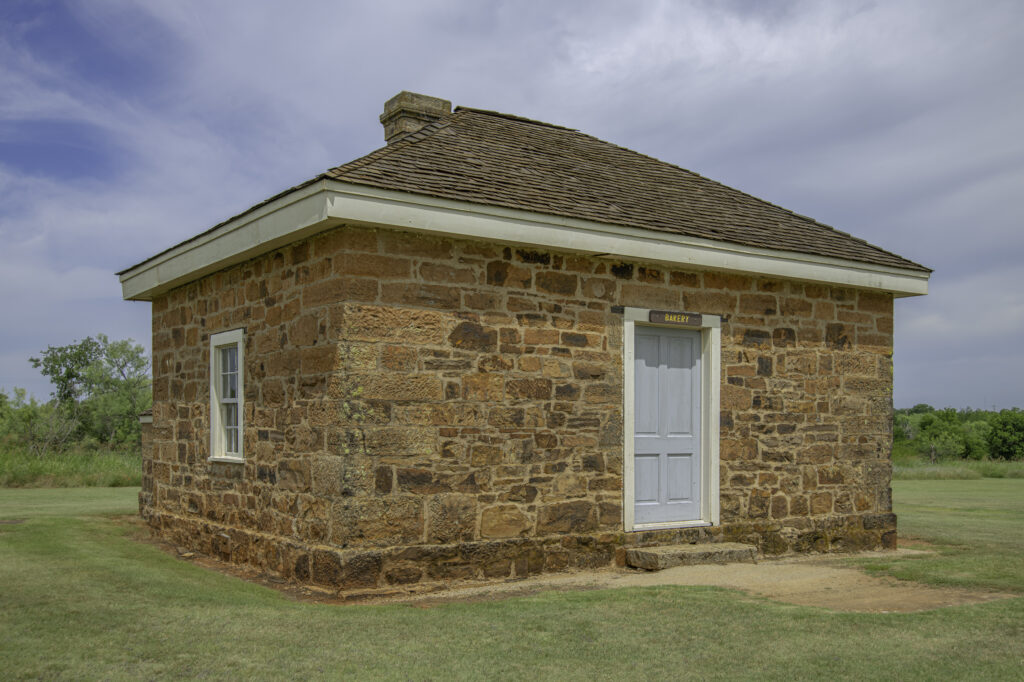
The Bakery – operated 7 days a week 24 hours a day. They supplied the post with over 600 loaves of bread a day. During the summer the bakery would get so hot that it was almost intolerable to be inside, on baker actually died from heat stroke.
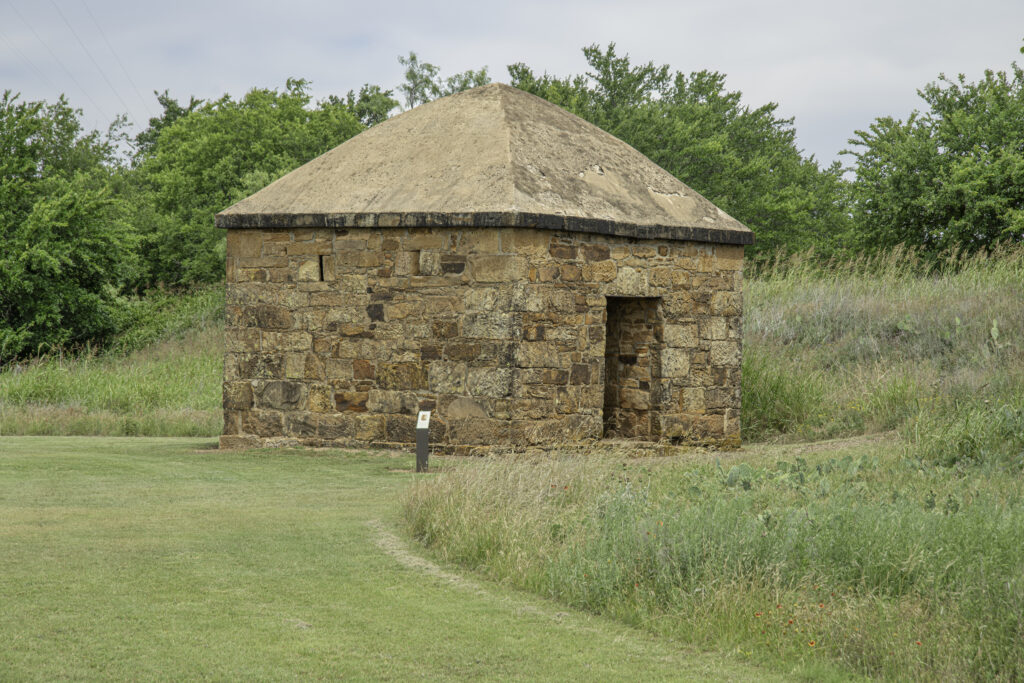
The Magazine – stored explosives and black powder. The walls were four feet think and the original door was six inches thick made of cast iron. The ceiling was vaulted and designed to implode in case of a fire.
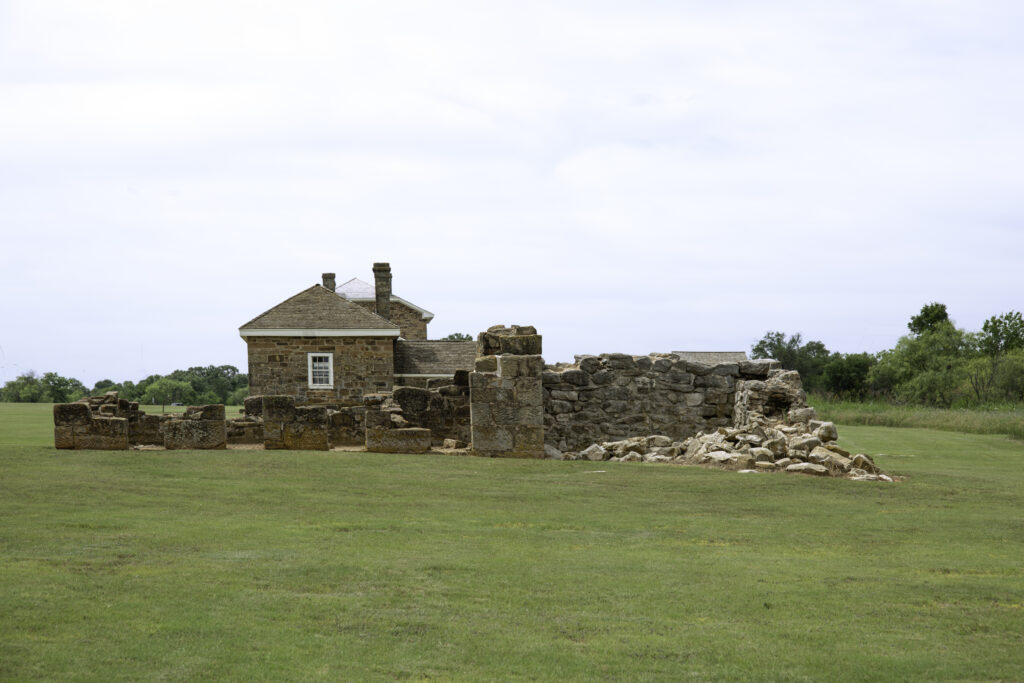
Guardhouse Ruins – originally was built with four 4′ x 8′ cells which would each contain up to three soldiers each. There was an attached building that contained the guard offices and quarters. Additional cells were added later because it was usually at full capacity.
Building not pictured: The Commissary and Quartermaster’s Supply, and The Chicago Rock Island & Train Depot