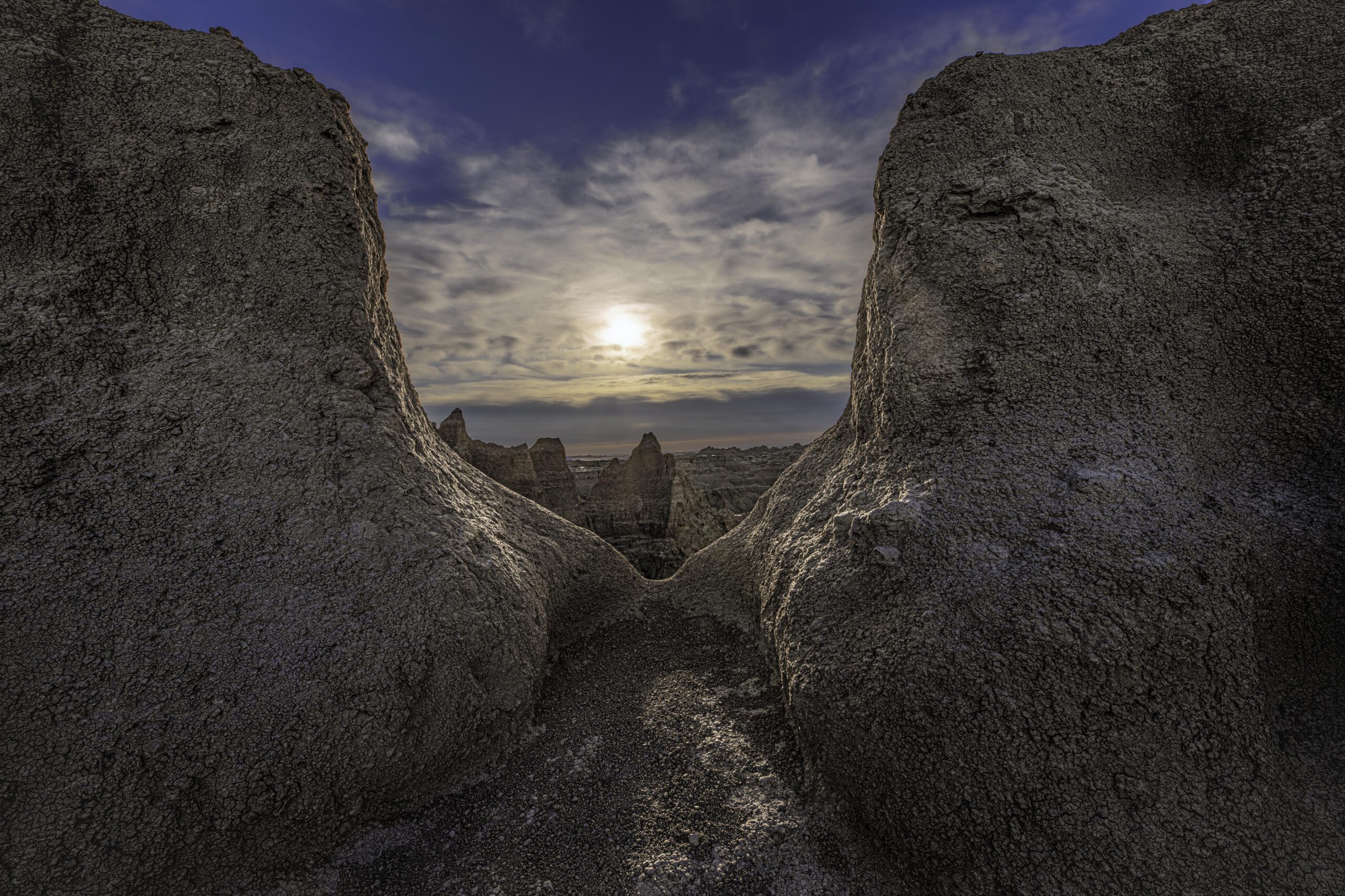

Located in southwestern South Dakota, Badlands National Park stretches across 242,756 acres of rugged beauty made up of sharply eroded buttes, pinnacles, and deep canyons. The park is also home to the largest protected mixed-grass prairie in the United States. Today, the National Park Service and the Oglala Lakota Nation co-manage this remarkable landscape.
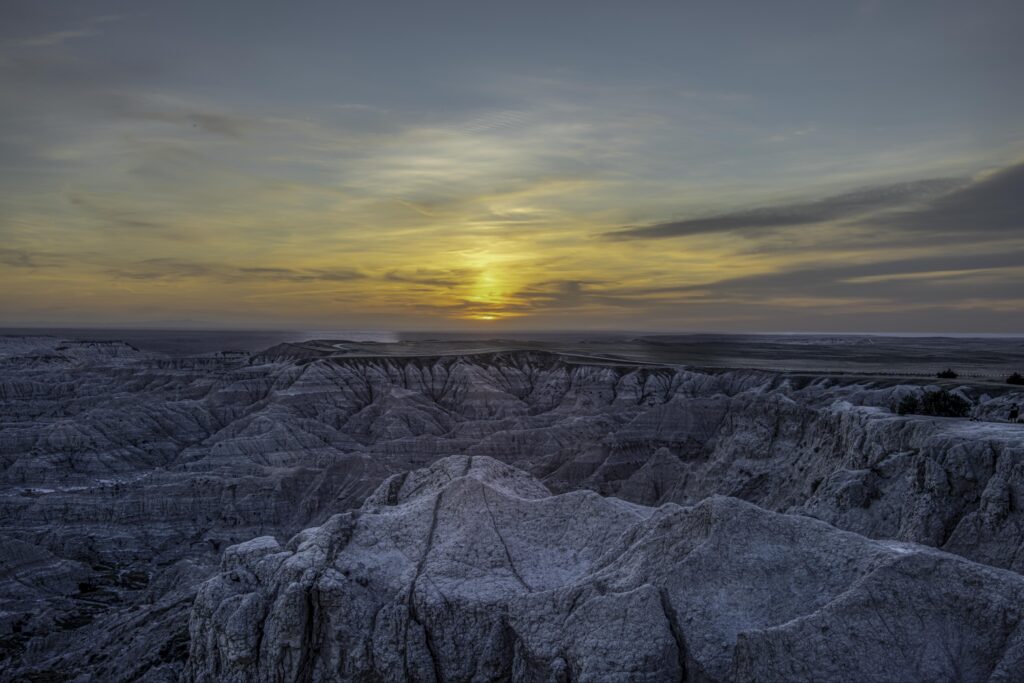
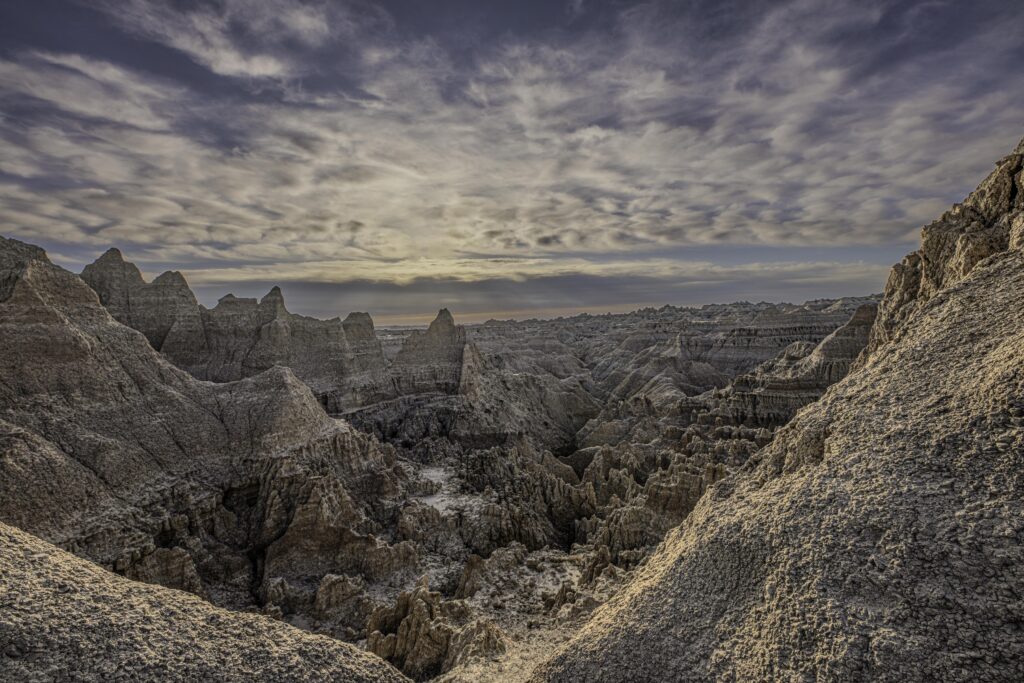
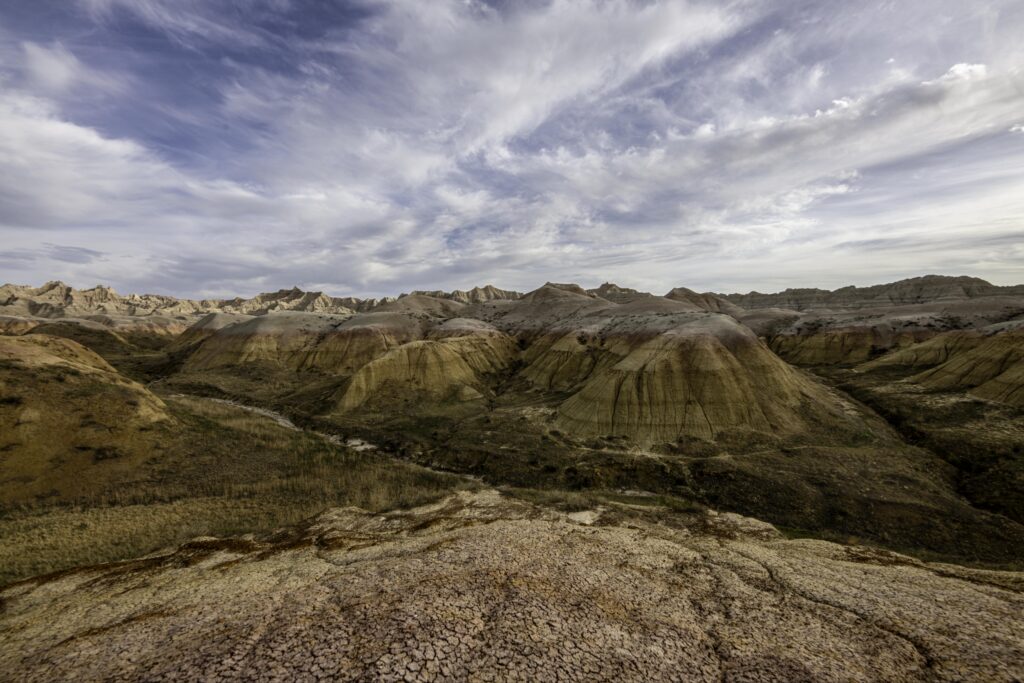
At first glance, many people wonder why anyone would name such a beautiful place “Badlands.” The answer goes back centuries. The Lakota people referred to this area as mako sica, meaning “bad lands,” while French fur trappers called it les mauvaises terres à traverser — “bad lands to travel across.”
The name makes sense once you experience the terrain. After rainfall, the clay-rich soil becomes slick and sticky, making travel extremely difficult. Jagged ravines, steep buttes, and sharp rock formations create a harsh landscape that challenged anyone attempting to cross it. Winters bring bitter cold and relentless winds, while summers are often hot, dry, and unforgiving.
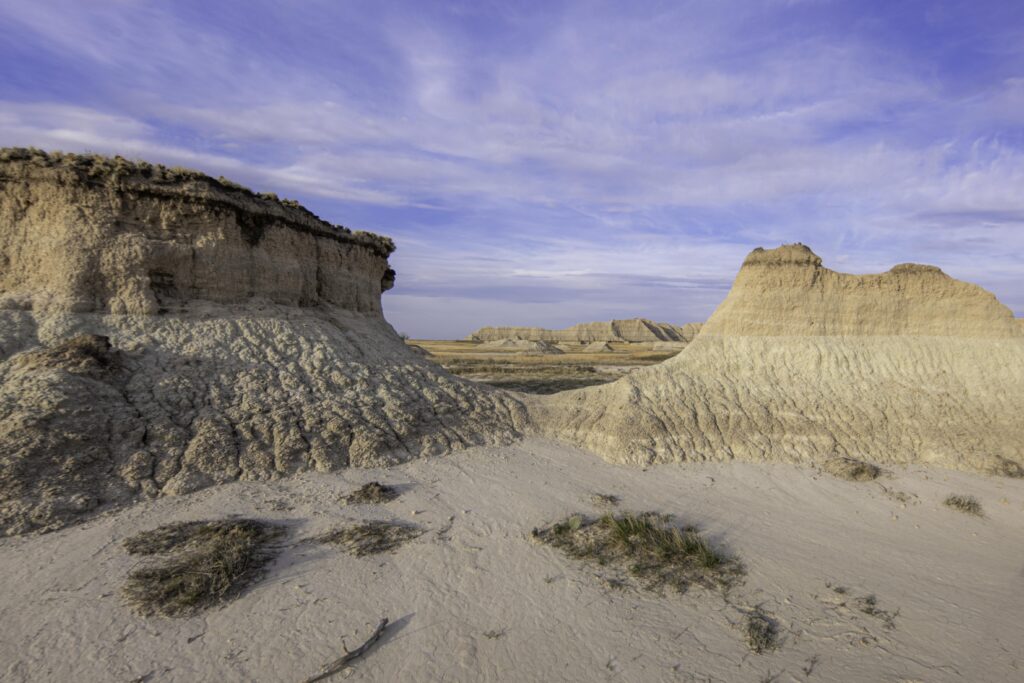
Yet despite its harshness, the Badlands possess an almost otherworldly beauty. In fact, when the area was first proposed as a national park in 1922, one of the names considered was “Wonderland National Park.” Anyone who has watched the sun rise or set across the colorful formations can understand why.
On March 4, 1929, the area was authorized as Creation of Badlands National Monument, though it was not officially established until January 25, 1939. It later became Badlands National Park on November 10, 1978.
Human history in the Badlands stretches back more than 11,000 years. Early hunters followed the massive bison herds that once roamed the Great Plains. Over time, many tribes occupied or traveled through the region, including the Lakota Sioux, Cheyenne, Arikara, Mandan, and Pawnee.
The terrain provided natural shelter, solitude, and abundant hunting opportunities. Although life in the Badlands was difficult, the area held deep spiritual significance for the Lakota people, especially for holy men and warriors. The surrounding prairie supported large buffalo herds, which provided nearly every necessity of life — food, clothing, shelter, and tools.
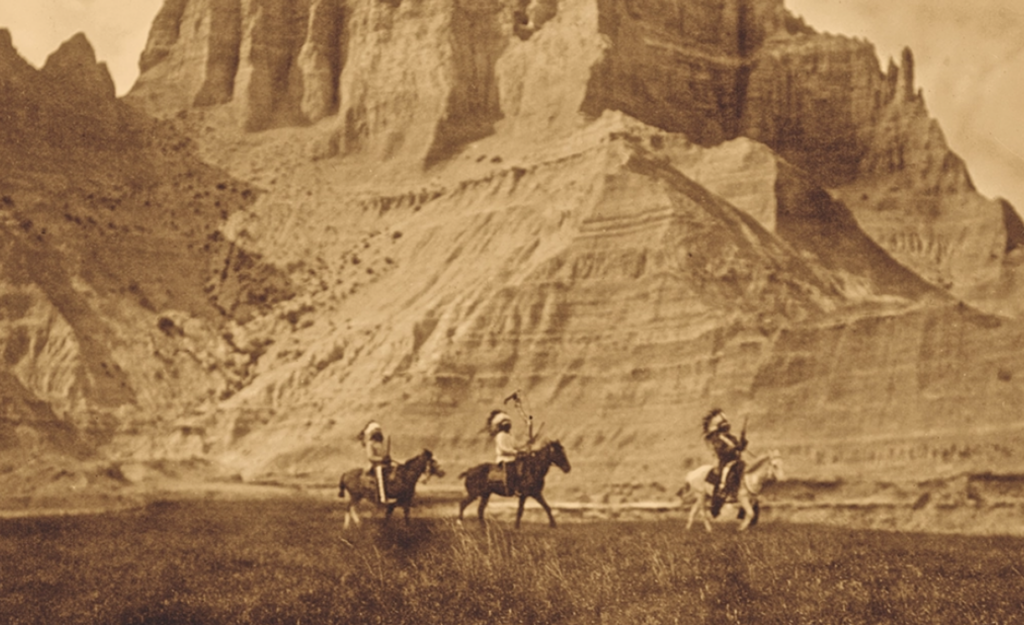
In 1868, the Treaty of Fort Laramie (1868) guaranteed the Sioux ownership of the Badlands “forever.” However, in 1889, the treaty was broken and the land was confiscated by the United States government.
Near the end of the 19th century, the Badlands became a gathering place for the Sioux Nation during the Ghost Dance movement — a spiritual ceremony intended to restore the buffalo and reunite the living with their ancestors. Following the final Ghost Dance in 1890, the United States government banned the ritual.
In 1980, the Supreme Court of the United States awarded financial compensation to the Sioux for violating the 1868 treaty, but the Sioux refused to accept the money, maintaining that the land itself — not payment — was what mattered.
Today, visitors to Badlands National Park can experience both the beauty and history of this extraordinary landscape. The park offers two campgrounds for overnight stays: Cedar Pass and Sage Creek Campgrounds. Cedar Pass Lodge also provides modern cabin accommodations for travelers wanting to spend more time exploring one of America’s most unique and historic landscapes.
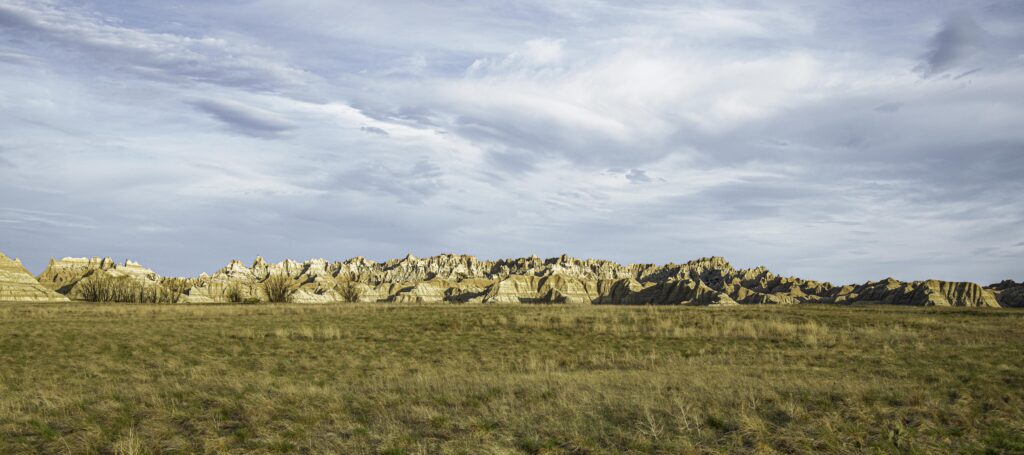
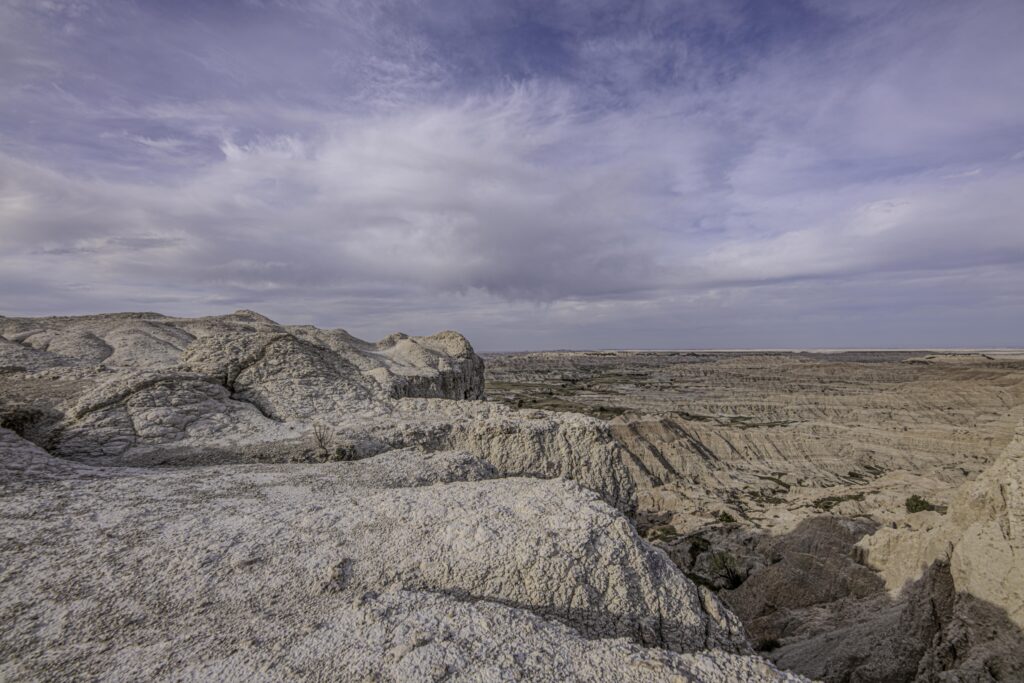
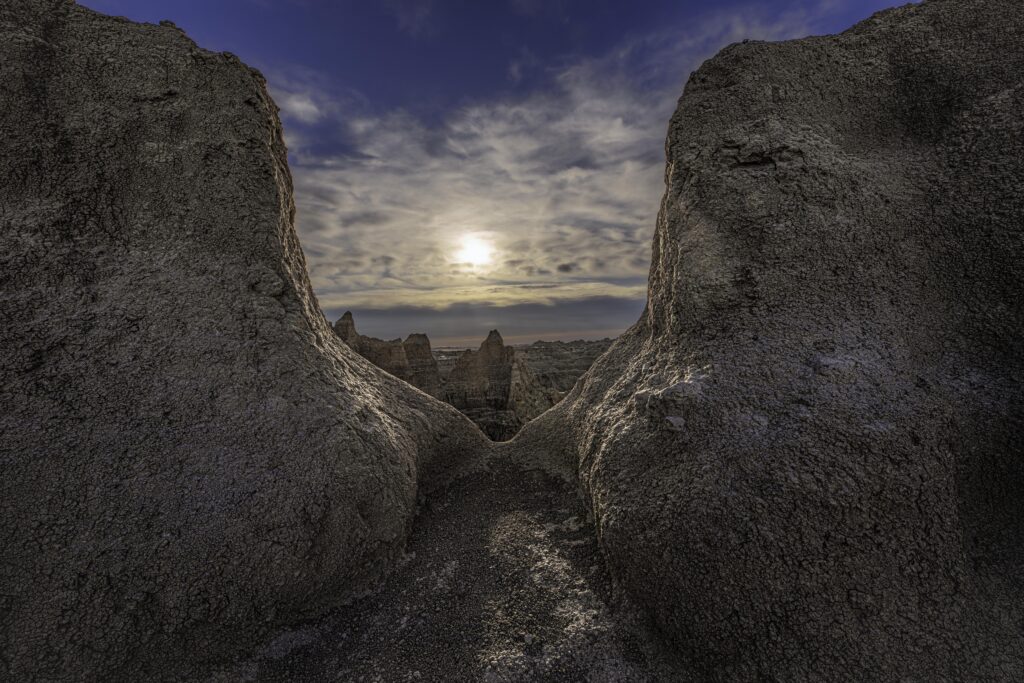
“All the earths colors of the painter’s palette are out there in the many miles of badlands”. Georgia O’Keeffee